UFC's Betting Scandal Crisis: How Suspicious Wagering is Threatening Fighter Careers and the Sport's Integrity
The Story
The Ultimate Fighting Championship found itself in crisis mode once again at UFC 324, pulling a lightweight bout between Alexander Hernandez and Michael Johnson just hours before the event due to suspicious betting activity. This marked the third major betting integrity incident for the promotion in recent years, signaling a growing problem that threatens both fighter livelihoods and the sport's credibility.
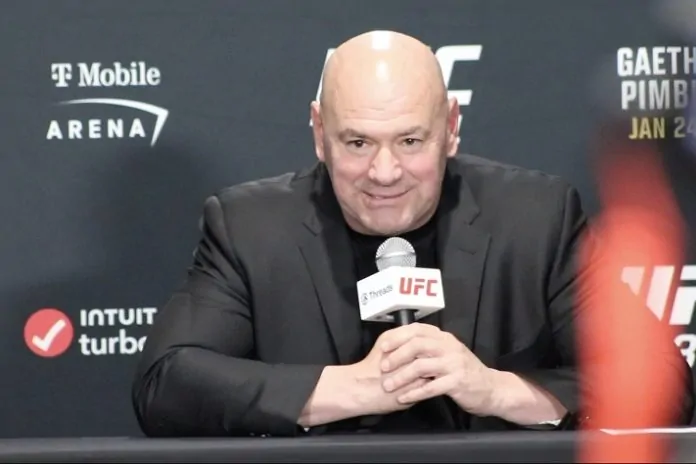
UFC CEO Dana White didn't mince words when confirming the cancellation during the post-fight press conference at T-Mobile Arena. "That's what it is," White stated bluntly. "We got called from the gaming integrity service. I said, 'I'm not doing this sh*t again.' So we pulled the fight." His frustration was palpable, and understandably so – the promotion is walking a tightrope between protecting its business interests and maintaining relationships with betting partners who generate significant revenue.
The cancellation came after sportsbooks detected irregular betting patterns, with money heavily favoring Michael Johnson against Alexander Hernandez. BetOnline.ag publicly announced they were limiting bet amounts and removing proposition bets from the fight, citing these suspicious patterns as a precautionary measure. Within hours, the UFC made the decisive call to cancel the bout entirely.
The Business Context
The intersection of combat sports and legalized sports betting has created both tremendous opportunities and significant risks for MMA promotions. Since the Supreme Court struck down the federal ban on sports betting in 2018, the gambling industry has become deeply integrated into professional sports, including mixed martial arts.
For the UFC, betting partnerships represent a substantial revenue stream. The promotion has deals with multiple sportsbooks and betting platforms, generating income through sponsorships, data licensing, and revenue-sharing agreements. These partnerships are particularly valuable because MMA offers numerous betting opportunities beyond simple win-loss wagers – prop bets on finish methods, round totals, and specific fight outcomes create engagement and drive handle (the total amount wagered).
However, this financial relationship creates a complex web of interests. Sportsbooks rely on the UFC to provide legitimate, competitive fights where outcomes aren't predetermined or manipulated. When suspicious betting patterns emerge, it threatens the fundamental assumption that drives the entire sports betting ecosystem: that contests are genuine athletic competitions.
The gaming integrity services that contacted the UFC represent a crucial backstop in this system. These organizations monitor betting patterns across multiple sportsbooks, looking for unusual activity that might indicate inside information, match-fixing, or other forms of manipulation. When they detect concerning patterns, they alert the relevant sports organizations, who must then decide how to respond.
The Money
The financial implications of betting scandals extend far beyond individual fights. For fighters, a betting-related investigation can be career-ending. Isaac Dulgarian, Hernandez's former teammate, was released from the UFC following his November fight that's currently under FBI investigation. This represents not just the loss of a UFC contract – typically worth hundreds of thousands of dollars for established fighters – but also the destruction of earning potential from sponsorships, endorsements, and future fight opportunities.
James Krause, the coach effectively banned from the sport following a 2022 incident involving suspicious betting on his fighter Darrick Minner, illustrates the broader financial devastation these scandals can cause. Krause lost not only his coaching income but also his ability to corner fighters, teach at his gym, or participate in the MMA industry in any meaningful capacity. [VERIFY: Current status of Krause's ban and its scope]
For the UFC, each betting scandal represents multiple financial risks. There's the immediate cost of canceling fights – refunding tickets, rearranging cards, and dealing with broadcast partner complications. More significantly, there's the long-term risk to relationships with betting partners and the potential for regulatory scrutiny that could impact the broader business model.
The promotion's aggressive stance on pulling fights demonstrates the high stakes involved. By canceling the Hernandez-Johnson bout, the UFC absorbed immediate costs but protected its relationship with betting integrity monitors and sportsbooks. This calculated decision prioritizes long-term business relationships over short-term losses.
The Players
Dana White's visible frustration reflects the position UFC leadership finds itself in – caught between maintaining sporting integrity and managing a complex business ecosystem. White's comment about "not doing this sh*t again" suggests the promotion is taking an increasingly zero-tolerance approach to betting irregularities, likely driven by pressure from both regulatory bodies and business partners.
Alexander Hernandez and Michael Johnson find themselves in an impossible situation. Neither fighter has been accused of wrongdoing, yet their careers are now under a cloud of suspicion. Both are veteran fighters with established UFC careers – Hernandez has competed in the promotion since 2017, while Johnson has been a fixture since 2010. Their silence following the cancellation likely reflects legal advice, as any public statements could potentially impact ongoing investigations.
The FBI's involvement adds a federal law enforcement dimension that elevates these incidents beyond simple business disputes. Federal investigators have significant resources and authority to examine financial records, communications, and betting patterns across state lines. Their ongoing investigation into the Dulgarian case demonstrates the serious legal consequences fighters and coaches face when betting irregularities arise.
Gaming integrity services operate as crucial intermediaries in this ecosystem. These organizations use sophisticated algorithms and human analysts to monitor betting patterns across hundreds of sportsbooks, looking for anomalies that might indicate manipulation. Their recommendations carry significant weight with sports organizations because they represent the collective interests of the betting industry.
Fighter Impact
The betting scandal crisis creates a climate of fear and uncertainty for UFC athletes. Fighters must now consider not just their training and performance, but also how their fights might be perceived by betting markets and integrity monitors. This adds a psychological burden that extends beyond the octagon.
For fighters like Hernandez and Johnson, the immediate impact is clear: lost fight purses, disrupted training camps, and potential damage to their reputations. Even if they're ultimately cleared of any wrongdoing, the association with a betting scandal can follow fighters throughout their careers. Sponsors become wary, fans grow suspicious, and promotional opportunities diminish.
The broader fighter community faces increased scrutiny of their associations and communications. Fighters must be careful about their relationships with coaches, training partners, and even casual acquaintances who might have gambling interests. The James Krause situation demonstrated how quickly fighters can become collateral damage when their coaches are implicated in betting scandals.
Training camps and coaching relationships are also affected. Fighters may need to reconsider their team affiliations if coaches or training partners come under suspicion. This disrupts the crucial support systems that fighters rely on for their careers and can force athletes to make difficult choices between loyalty and self-preservation.
Fan Impact
For MMA fans, betting scandals undermine the fundamental appeal of the sport – the belief that they're watching genuine athletic competition where anything can happen. When fights are canceled due to betting irregularities, it raises questions about the legitimacy of other contests and creates doubt about the sport's integrity.
The entertainment value of MMA is partly built on unpredictability and the authentic drama of athletic competition. Betting scandals threaten this by suggesting that outcomes might be influenced by factors beyond athletic ability and preparation. This erosion of trust can drive fans away from both live events and television broadcasts.
Fans who engage in sports betting – a growing segment of the MMA audience – face additional concerns. Suspicious betting patterns and canceled fights create uncertainty about the reliability of betting markets and the fairness of wagering opportunities. This can reduce fan engagement with both the sport and associated gambling activities.
The UFC's response to these incidents also affects fan experience. Canceled fights disappoint ticket holders and pay-per-view purchasers who expected to see specific matchups. While the promotion typically offers alternative fights or compensation, the disruption damages the overall event experience.
Big Picture
The UFC's betting integrity crisis reflects broader challenges facing all professional sports in the era of legalized gambling. As sports betting becomes more widespread and sophisticated, the potential for manipulation and the stakes for preventing it continue to grow.
The promotion's increasingly aggressive response to suspicious betting activity suggests a recognition that these incidents pose an existential threat to the business model. Unlike traditional sports with longer seasons and more games, MMA promotions rely heavily on the perceived authenticity and unpredictability of individual fights. A single major match-fixing scandal could severely damage the sport's credibility.
The involvement of federal law enforcement indicates that betting-related violations in combat sports are being treated as serious crimes rather than simple rule violations. This creates real legal jeopardy for fighters, coaches, and anyone else involved in potential manipulation schemes.
Looking forward, the UFC and other MMA promotions will likely need to implement more sophisticated monitoring and prevention systems. This might include enhanced education for fighters and coaches, stricter disclosure requirements for financial relationships, and more comprehensive background checks for team members.
The relationship between combat sports and gambling will continue to evolve, but the recent incidents suggest that maintaining integrity will require constant vigilance and significant resources. For the UFC, successfully navigating these challenges is crucial not just for individual events, but for the long-term viability of the sport's business model.
The Alexander Hernandez-Michael Johnson cancellation may seem like a single disrupted fight, but it represents a critical moment in the ongoing struggle to maintain MMA's integrity in an increasingly complex commercial environment. How the sport handles these challenges will determine whether betting partnerships remain a source of growth or become an existential threat to competitive legitimacy.


Login with Email or Google
Be the first to comment!