UFC Doubles Post-Fight Bonuses to $100K and Adds Finish Incentives for Paramount Era

The Ultimate Fighting Championship is ushering in its new broadcast partnership with Paramount with a significant overhaul of its fighter compensation structure, doubling traditional post-fight bonuses from $50,000 to $100,000 and introducing an entirely new category of finish bonuses worth $25,000. The changes, which take effect starting with UFC 324 at T-Mobile Arena in Las Vegas, represent the most substantial modification to the promotion's bonus system in over a decade and signal a potential shift in how the UFC approaches fighter pay in the Paramount era.
The News: A Complete Bonus Structure Overhaul
The UFC's traditional bonus structure has remained largely unchanged since 2014, when the promotion standardized post-fight awards at $50,000 per recipient. Typically distributed as four bonuses per event—two Performance of the Night awards and two Fight of the Night bonuses for both participants in the evening's most entertaining bout—these incentives have served as the promotion's primary method of rewarding exceptional performances beyond contracted fight purses.
Under the new system, those four standard bonuses will now carry a $100,000 value, effectively doubling the promotion's minimum bonus expenditure from $200,000 to $400,000 per event. More significantly, the UFC is introducing an additional tier of compensation: any fighter who secures a knockout or submission victory but doesn't receive one of the four primary bonuses will earn a $25,000 finish bonus.
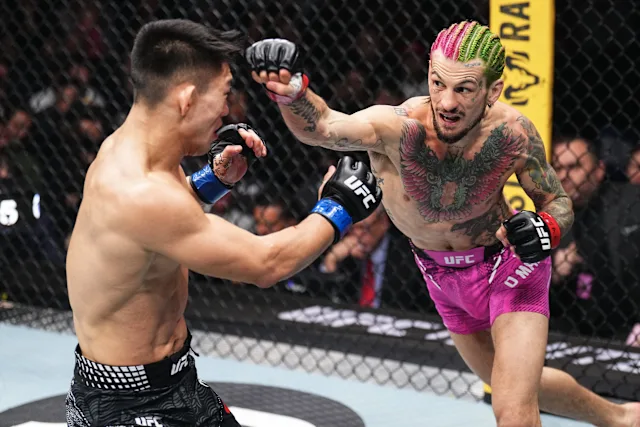
This dual-tier approach creates multiple pathways for fighters to earn additional compensation beyond their show and win money, potentially rewarding aggressive fighting styles and finish-seeking behavior that has historically made mixed martial arts compelling to audiences.
The Context: A Decade of Bonus Evolution
The UFC's bonus system has evolved considerably since the promotion's early days. Initially, discretionary awards varied widely based on event size and significance, ranging from $40,000 to $75,000 before the 2014 standardization at $50,000. Special occasions have occasionally warranted increased bonuses—UFC 300 famously featured $300,000 awards—but these remained exceptions rather than rule changes.
Dana White's relationship with bonus increases has been notably complex and often contentious. The UFC president has frequently expressed frustration when pressured to increase bonus amounts, arguing that higher financial incentives don't necessarily correlate with more entertaining fights. His comments following UFC 304 were particularly pointed, where he declared he would "never again" be pressured into announcing inflated bonuses after a card featuring seven consecutive decision victories failed to justify the increased payouts.
"I think tonight showed that we should not, no," White stated after UFC 304. "Upping them doesn't change anything – it doesn't make them fight any harder. It doesn't change anything. I'm not doing this again. Ever."
This public stance makes the current changes particularly noteworthy, as they represent a systematic increase rather than event-specific inflation, suggesting a fundamental shift in the promotion's approach to fighter compensation rather than reactive adjustments to external pressure.
The Paramount Partnership Context
The timing of these changes coincides directly with the UFC's transition to Paramount as its new broadcast partner, a relationship reportedly worth $7.7 billion over multiple years. This represents a significant increase from previous broadcast deals and provides the financial foundation for enhanced fighter compensation.
UFC leadership has consistently indicated that increased revenue from the Paramount partnership would translate into improved fighter pay across multiple areas. The bonus structure changes represent the first concrete manifestation of this promise, though they likely represent only one component of broader compensation improvements planned for the Paramount era.
The strategic timing also serves promotional purposes, generating positive headlines as the UFC launches its new broadcast relationship while potentially addressing long-standing criticism about fighter compensation levels within the mixed martial arts community.
The Analysis: Strategic Implications and Behavioral Economics
The new bonus structure operates on multiple strategic levels, addressing both immediate competitive concerns and longer-term promotional objectives. From a behavioral economics perspective, the dual-tier system creates more frequent positive reinforcement opportunities while maintaining the prestige of the primary bonus categories.
The $25,000 finish bonuses are particularly significant because they create financial incentives for aggressive fighting without requiring fighters to be among the evening's absolute best performers. A fighter who secures a first-round knockout in an otherwise unremarkable bout now receives guaranteed additional compensation, potentially influencing tactical approaches across weight classes and experience levels.
This approach addresses one of the UFC's ongoing challenges: encouraging entertaining fights while maintaining competitive integrity. By rewarding finishes broadly rather than only the most spectacular performances, the system incentivizes risk-taking and aggressive engagement throughout the card rather than only in featured bouts.
The mathematical impact is substantial. Assuming conservative estimates of finish rates—historically around 40-50% of UFC fights end in knockouts or submissions—the promotion could distribute an additional $100,000-150,000 per event in finish bonuses alone, beyond the doubled primary bonus expenditure.
Historical Precedent and Industry Context
The UFC's approach to performance bonuses has historically distinguished it from other major combat sports promotions. Boxing, for instance, typically negotiates performance incentives into individual contracts rather than maintaining standardized post-fight awards. Other MMA promotions have experimented with various bonus structures, but none have maintained the UFC's consistency or scale.
The finish bonus concept draws inspiration from various sports that reward specific achievements—hockey's hat trick traditions, basketball's statistical bonuses, or golf's hole-in-one prizes—but applies them systematically to combat sports performance. This represents an evolution from the UFC's traditional approach of rewarding overall entertainment value toward recognizing specific tactical achievements.
Previous attempts to influence fighter behavior through financial incentives have shown mixed results across combat sports. Pride Fighting Championships famously included yellow cards for stalling, while various promotions have experimented with overtime rounds, open scoring, and other structural changes. The UFC's approach differs by maintaining existing competitive rules while modifying post-competition rewards.
The Implications: Multiple Stakeholder Impact
For Fighters
The changes create immediate financial opportunities for UFC roster members, particularly those in preliminary card positions who historically had limited bonus earning potential. A fighter earning $12,000 to show and $12,000 to win can now potentially earn more than double their contracted amount with a finish bonus, representing a significant percentage increase in total compensation.
More established fighters benefit from doubled primary bonus potential, with $100,000 representing meaningful income even for higher-paid athletes. The system also creates multiple paths to additional compensation within single events, as fighters can potentially earn both finish bonuses and primary bonuses depending on performance quality and card dynamics.
For Matchmaking and Competition
The bonus structure may influence matchmaking decisions, as the UFC might consider finish probability when constructing cards, knowing that more finishes translate to higher bonus expenditures. This could favor matching aggressive fighters or stylistic matchups likely to produce decisive outcomes.
Training camp strategies may also evolve, with fighters potentially adjusting preparation to emphasize finishing techniques or aggressive tactics, knowing that decision victories—regardless of dominance—don't qualify for finish bonuses.
For Broadcast and Entertainment Value
Paramount's investment in UFC content likely includes expectations for entertaining programming that drives subscriber engagement and retention. The bonus structure changes directly align with these objectives by financially incentivizing the types of performances that generate highlight reels and social media engagement.
The systematic nature of finish bonuses may produce more consistent action throughout cards rather than concentrating entertainment value in main event slots, potentially improving overall broadcast product quality.
Potential Challenges and Considerations
Financial Sustainability
The doubled bonus expenditure represents a significant ongoing cost increase for the UFC. Conservative estimates suggest the changes will cost an additional $3-5 million annually in bonus payments alone, depending on finish rates and card frequency. While the Paramount deal presumably provides sufficient revenue to support these increases, the sustainability depends on continued broadcast partnership success.
Competitive Balance Concerns
Finish bonuses might inadvertently disadvantage fighters whose styles emphasize technical grappling, defensive excellence, or strategic point fighting. While these approaches can be equally skillful and entertaining, they're less likely to produce the knockouts and submissions that trigger bonus payments.
This could gradually influence roster composition toward fighters with finishing ability, potentially reducing stylistic diversity within divisions. The UFC will need to monitor whether the changes create unintended competitive imbalances.
Performance Pressure and Risk Management
Increased financial incentives for finishes might encourage excessive risk-taking, potentially leading to more knockouts but also more knockout losses. Fighters might abandon sound defensive principles in pursuit of bonus money, potentially shortening careers or increasing injury rates.
Conversely, the system might create additional pressure that actually inhibits performance, as fighters focus on bonus-worthy moments rather than fundamental fight execution.
What to Watch: Future Developments and Indicators
Short-Term Performance Metrics
The immediate impact of these changes will be measurable through finish rates, fight quality assessments, and fighter feedback. UFC 324 and subsequent Paramount-era events will provide initial data on whether the financial incentives translate into more entertaining fights or simply represent increased costs without corresponding benefits.
Fan and media response to early Paramount events will indicate whether the investment in enhanced bonuses generates the improved entertainment value that justifies the expenditure.
Long-Term Structural Evolution
The bonus changes likely represent only the first phase of broader compensation improvements promised for the Paramount era. Future developments might include increased base pay scales, expanded bonus categories, or additional performance incentives tied to broadcast metrics or fan engagement.
The success or failure of the current changes will influence whether the UFC continues expanding financial incentives or reverts to previous compensation models if results don't justify costs.
Industry Influence and Competitive Response
Other major MMA promotions will likely monitor the UFC's experience with enhanced bonuses, potentially adopting similar systems if they prove successful. This could gradually raise compensation standards across the sport, benefiting fighters throughout the mixed martial arts ecosystem.
Conversely, if the changes fail to produce desired results, they might serve as cautionary examples for other promotions considering similar modifications.
The Broader Significance
The UFC's bonus structure overhaul represents more than simple compensation increases; it signals the promotion's commitment to adapting its business model for a new broadcast era while addressing persistent criticism about fighter pay. The systematic nature of the changes suggests long-term strategic thinking rather than reactive adjustments to immediate pressures.
For mixed martial arts as a sport, these changes could influence competitive evolution, training methodologies, and career strategies across all levels of competition. The emphasis on finishes aligns with fan preferences while potentially reshaping how fighters approach their craft.
The success of these initiatives will likely influence not only the UFC's future compensation strategies but also broader discussions about athlete pay in combat sports, potentially setting precedents for how major promotions balance entertainment value, competitive integrity, and fighter welfare in an evolving media landscape.
As the Paramount era begins, the UFC's enhanced bonus structure represents a significant bet that increased financial incentives will produce better entertainment value while addressing fighter compensation concerns. The results of this experiment will reverberate throughout mixed martial arts for years to come, potentially reshaping how the sport balances commercial success with competitive excellence.






Login with Email or Google
Be the first to comment!