UFC Atlantic City Marred by Eye-Poke Controversies as Gaethje Blasts Glove Design
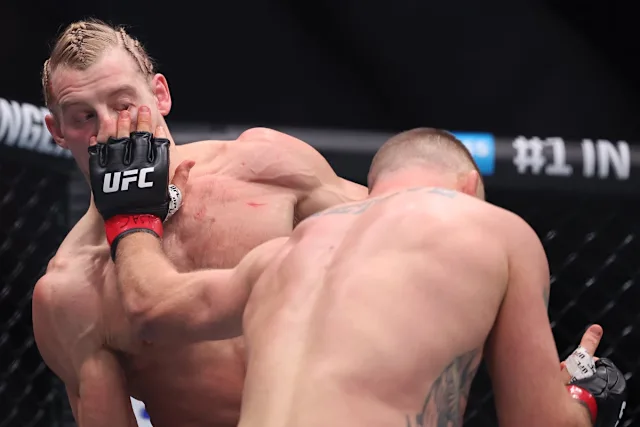
The UFC's return to Atlantic City on Saturday night will be remembered not for spectacular finishes or outstanding performances, but for a series of eye-poke incidents that overshadowed the action and reignited debate about the promotion's glove design. Two main card fights were directly impacted by eye fouls, leading to widespread criticism from fighters and fans alike, with BMF champion Justin Gaethje leading the charge against what he called the UFC's "shit gloves."
Ruziboev Capitalizes on Eye Poke Controversy
The first major incident occurred during the main card bout between Nursulton Ruziboev and Sedriques Dumas. In the opening round, Ruziboev inadvertently poked Dumas in the eye, temporarily compromising his opponent's vision. While Dumas attempted to alert the referee to the foul, Ruziboev seized the moment and pressed forward, ultimately securing a knockout finish. The sequence highlighted one of the most problematic aspects of eye-poke incidents in MMA - the split-second timing that can determine whether a fighter benefits from an unintentional foul. Dumas immediately protested the stoppage, arguing that the eye poke had directly contributed to his inability to defend himself effectively. However, the referee's decision stood, and Ruziboev was officially credited with a knockout victory. This type of scenario creates a difficult situation for officials, who must make real-time decisions about whether to pause the action or allow it to continue. The incident demonstrated how eye pokes can fundamentally alter the trajectory of a fight, even when they appear to be unintentional.Weidman-Silva Fight Ends in Technical Decision Chaos
Not long ago, Chris Weidman faced Bruno Silva in what became a masterclass in how eye fouls can completely derail a contest. Throughout the fight, both competitors exchanged eye pokes, creating a pattern of interruptions that disrupted the natural flow of the bout. The situation reached its climax in the third round when Silva, having already endured two eye pokes earlier in the fight, suddenly dropped to the canvas in obvious distress. Weidman, seeing his opponent compromised, moved in to finish the fight and appeared to secure a TKO victory. However, upon review of the sequence, officials determined that Weidman had poked Silva twice during the final exchange that led to the finish. This discovery prompted a rare decision reversal, with the original TKO result being overturned and converted to a technical decision victory for Weidman based on the scorecards at the time of the stoppage. The back-and-forth nature of the eye fouls in this contest illustrated how these incidents can become cumulative, with fighters on both sides suffering from compromised vision throughout the fight. The eventual outcome satisfied neither competitor nor fans, as the technical decision felt like an unsatisfying conclusion to what should have been a definitive result.Gaethje's Scathing Critique of UFC Gloves
Following the controversial evening, Justin Gaethje didn't hold back in his criticism of the UFC's equipment choices. The BMF champion took to social media to voice his frustrations, writing, "Too bad UFC don't want to change those shit gloves." When a fan suggested using Trevor Whittman's glove design - a modification that has been proposed as a solution to reduce eye pokes - Gaethje's response was particularly revealing: "Because it wasn't their idea lol." This comment suggested that organizational pride or politics might be preventing the adoption of potentially safer equipment. Gaethje went further in explaining the technical problems with the current glove design, providing insight into why eye pokes have become such a persistent issue. "These gloves force you into a bad position when your hand is relaxed. They cut the circulation off to the fingers. They put so much pressure on the hand between the fingers," he explained in response to fan questions. This technical analysis from an elite fighter carries significant weight, as Gaethje has extensive experience with the current glove system and understands firsthand how the design affects hand positioning during competition. His explanation suggests that the current gloves may actually encourage the extended finger positioning that leads to eye pokes, rather than promoting a more closed-fist stance.The Broader Impact on Fighter Safety
The Atlantic City incidents represent more than just isolated controversies - they highlight a systemic issue that has plagued mixed martial arts for years. Eye pokes have the potential to cause serious, career-threatening injuries, and their frequency in UFC competition has become a growing concern for fighter safety advocates. The current situation creates several problematic dynamics. First, fighters may be incentivized to exaggerate the effects of eye pokes to gain advantages or rest time during fights. Conversely, tough competitors might downplay legitimate eye injuries to avoid appearing weak or giving their opponents an excuse for poor performance. More concerning is the potential for permanent vision damage. While most eye pokes result in temporary discomfort and tearing, more severe incidents can cause corneal abrasions, retinal damage, or other serious injuries that could end careers or affect fighters' long-term health.Technical Solutions and Industry Resistance
The Trevor Whittman glove design that Gaethje referenced has been discussed in MMA circles for several years as a potential solution to the eye-poke epidemic. Whittman's design reportedly features modifications that naturally curve the fingers into a more closed position, reducing the likelihood of extended fingers making contact with opponents' eyes. However, as Gaethje's comments suggest, there may be institutional resistance to adopting external innovations. The UFC has invested heavily in developing its own equipment standards and branding, and switching to a design created outside the organization might be seen as an admission that their current approach is flawed. This resistance becomes more problematic when fighter safety is at stake. While organizational pride and business considerations are understandable, they should not override the fundamental responsibility to provide the safest possible environment for competition.Looking Forward: Potential Changes and Implications
The Atlantic City controversies may serve as a catalyst for renewed discussions about equipment modifications. With high-profile fighters like Gaethje speaking out publicly, the pressure on the UFC to address the issue is mounting. Several potential solutions exist beyond glove redesign. Enhanced referee training could help officials better identify and respond to eye-poke situations. More consistent penalties for repeated eye fouls might discourage careless hand positioning. Video review protocols could be expanded to address situations where eye pokes directly contribute to fight-ending sequences. The technical decision outcome in the Weidman-Silva fight represents one attempt to address these situations retroactively, but most observers would prefer proactive solutions that prevent the problems from occurring in the first place.Division Implications and Fighter Reactions
While the specific divisional implications of Saturday's results may be limited due to the controversial nature of the finishes, the broader conversation about fighter safety could have lasting effects across all weight classes. Fighters at every level have experienced eye-poke incidents, and the Atlantic City event has provided a high-profile platform for these concerns. The fact that a champion like Gaethje is willing to speak out so forcefully suggests that the issue has reached a tipping point among active competitors. When elite fighters begin publicly criticizing equipment and organizational policies, it typically indicates that behind-the-scenes discussions have been unsuccessful.Conclusion: A Call for Action
The UFC Atlantic City event will likely be remembered as a turning point in the ongoing discussion about eye-poke prevention. With two main card fights directly affected by eye fouls and a champion leading public criticism of the current glove design, the pressure for meaningful change has never been greater. The technical decision in the Weidman-Silva fight and the controversial finish in Ruziboev-Dumas demonstrate that current protocols are insufficient to address these situations satisfactorily. Neither outcome felt definitive or fair, leaving fans and fighters frustrated with the state of officiating and equipment standards. Justin Gaethje's pointed criticism of the UFC's reluctance to adopt proven safety improvements highlights the tension between organizational control and fighter welfare. As the sport continues to evolve and professionalize, these decisions about equipment and safety protocols will become increasingly important for maintaining legitimacy and protecting the athletes who make the sport possible. The question now is whether the UFC will respond to this latest controversy with meaningful action or continue to rely on the current system that has repeatedly proven inadequate for preventing these incidents. For the sake of fighter safety and competitive integrity, the time for substantive change appears to have arrived.Related Stories
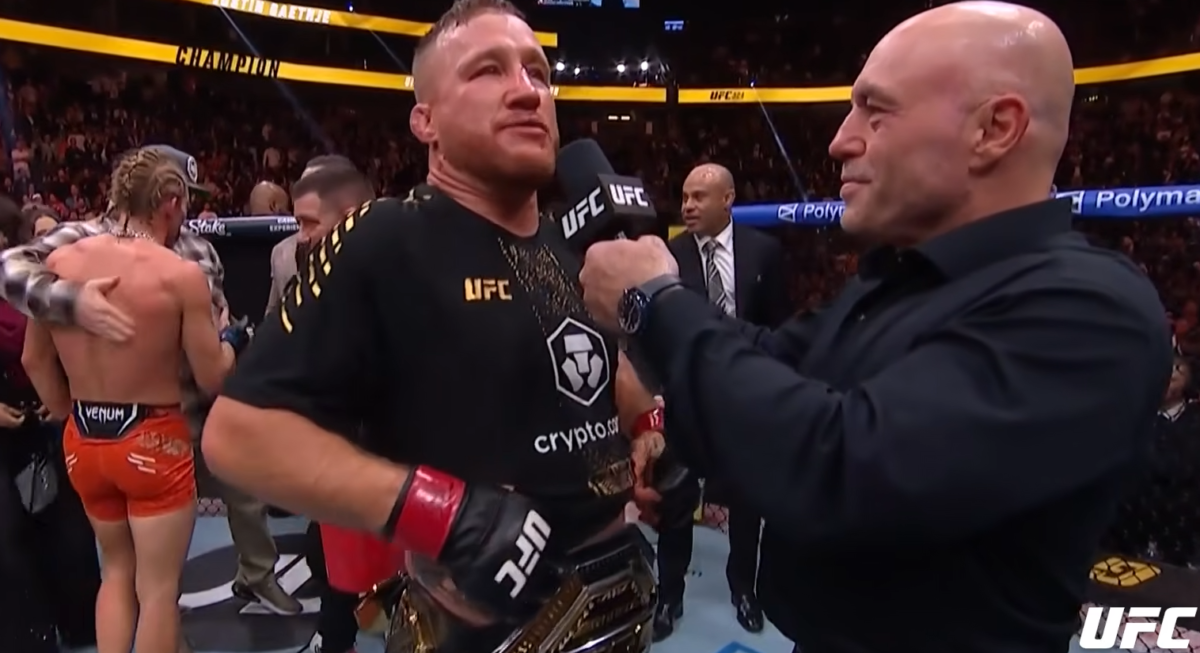
Gaethje Claims Interim Lightweight Title in Brutal War Against Pimblett at UFC 324
UFC News
January 25, 2026
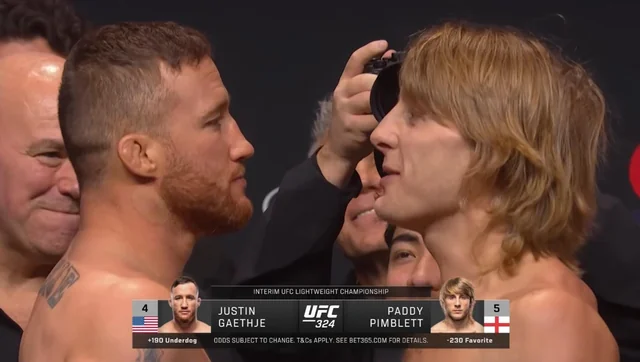
Justin Gaethje Addresses Staph Infection Speculation Ahead of UFC 324 Title Fight
UFC News
January 24, 2026
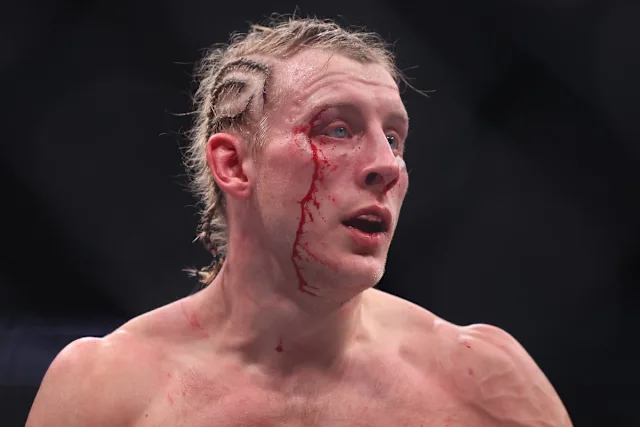
Paddy Pimblett's Crossroads: Liverpool Star Reflects on UFC Defeat and Maps Path Back to Title Contention
UFC News
January 26, 2026
Dana White Fires Back at Justin Gaethje Over UFC 324 Pay Dispute: "He Never Responded to Our Offer"
UFC News
January 22, 2026
Sean Strickland Condemns Josh Hokit's "Too Far" Trash Talk After UFC Press Conference Chaos
UFC News
May 10, 2026
Justin Gaethje's Leg Kick Mastery: The Blueprint for Breaking Down Opponents
UFC News
January 19, 2026

Login with Email or Google
Be the first to comment!