Sean O'Malley Questions UFC White House Card Star Power: "Who's the Big Name?"
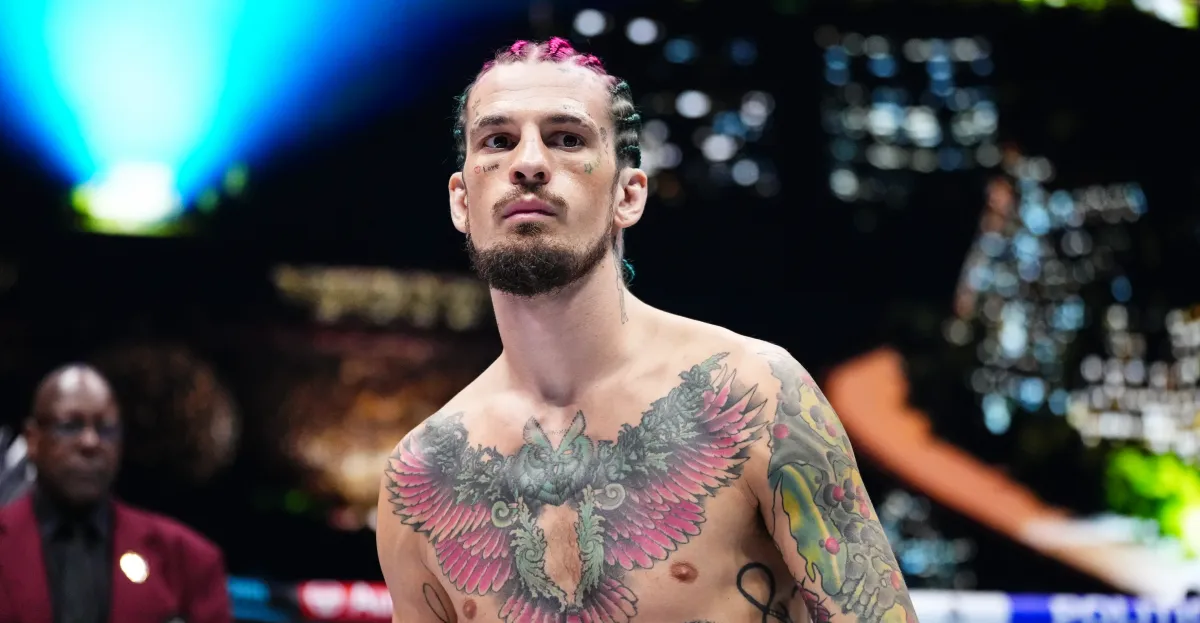
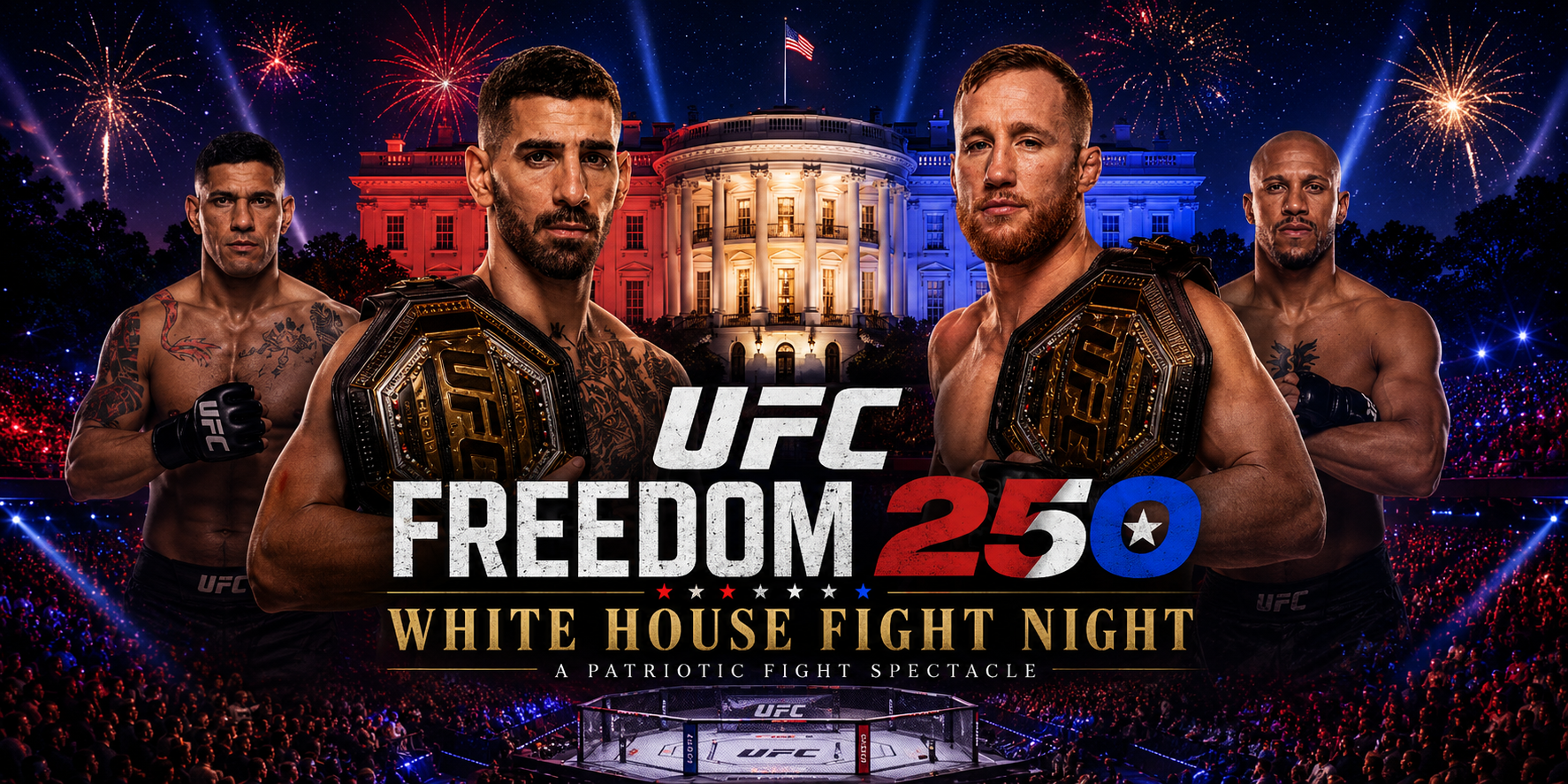
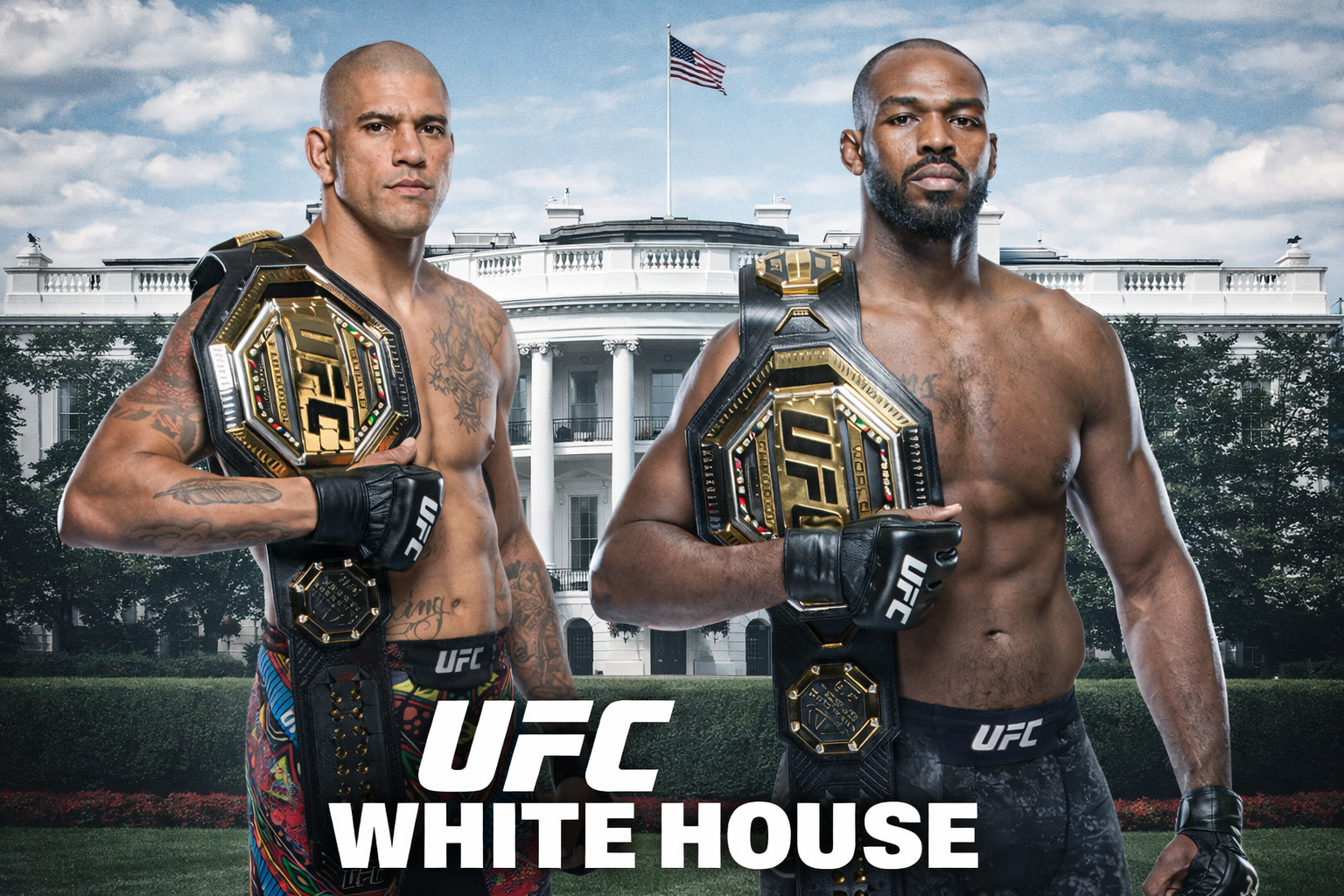
The most anticipated UFC event in recent memory is facing an unexpected problem: where are all the superstars? As the promotion prepares for its historic UFC White House card on June 14, 2026, former bantamweight champion Sean O'Malley has raised concerns that the once-in-a-lifetime event might be missing the marquee names needed to match its unprecedented setting.
Speaking candidly on coach Tim Welch's podcast, O'Malley didn't mince words about the current state of star availability for the South Lawn spectacle. "The White House card has to be fucking massive," O'Malley declared, his frustration evident as he ticked off the list of absent superstars. "Conor, we don't know, Jon Jones doesn't sound like it's gonna be him, ain't gonna be Ilia, ain't gonna be Pereira. Who's the big name?"
The question hangs heavy over what should be the UFC's crowning achievement—a card that Dana White has promised will feature multiple title fights in the most prestigious venue American combat sports has ever seen. Yet as O'Malley points out, the biggest draws in the sport are either sidelined, uninterested, or facing personal complications that could derail their participation.
The Missing Pieces of a Historic Puzzle
O'Malley's concerns aren't unfounded. The list of unavailable superstars reads like a who's who of mixed martial arts royalty, each absence representing a significant blow to the card's potential drawing power.
Conor McGregor, arguably the sport's biggest star, remains the ultimate wild card. While the former two-division champion has been posting training footage and claiming his return is imminent, his track record of promised comebacks that never materialize has left fans and fighters alike skeptical. McGregor's potential matchup with Michael Chandler has been discussed extensively, but as O'Malley noted, "Conor, we don't know"—a sentiment that captures the uncertainty surrounding the Irishman's actual commitment to competing.
Jon Jones, fresh off his return from retirement, has been explicitly denied participation by Dana White despite the heavyweight champion's expressed interest in fighting on June 14. The reasoning behind White's decision remains unclear, but it represents another major star crossed off the list for the historic event.
Perhaps most surprisingly, Alex Pereira—one of the UFC's most active and exciting champions—has posted cryptic messages suggesting he won't be part of the White House card. The Brazilian's reluctance to participate is particularly puzzling given his recent streak of spectacular performances and willingness to take fights on short notice.
The absence of lightweight champion Ilia Topuria adds another layer of complication. The Georgian-Spanish fighter is reportedly dealing with personal issues, including a divorce, that could delay his return well beyond the first quarter of 2026. For a champion who has been one of the sport's rising stars, his unavailability represents a significant loss for the card's title fight lineup.
The Domino Effect of Star Absences
O'Malley's assessment reveals a deeper issue within the UFC's ecosystem. When multiple top-tier fighters are unavailable simultaneously, it creates a domino effect that impacts matchmaking across all divisions. The "Suga" fighter understands this dynamic better than most, having experienced firsthand how timing, injuries, and personal circumstances can derail even the most anticipated matchups.
"Dana says they start the matchmaking in February to find out," O'Malley explained, referencing the promotion's timeline for finalizing the historic card. "Again, on that card, if there is not going to be really a crowd, it's just gonna be elite people; they are going to want people who show up. The buildup to this card is going to be fucking huge."
The unique nature of the White House venue adds another layer of complexity. Unlike a typical UFC event where ticket sales and live audience energy play crucial roles, this card will be performed for a select, elite audience. This intimate setting paradoxically increases the pressure on the UFC to deliver star power, as the limited attendance means every seat will be occupied by someone of significant importance.
Islam Makhachev's situation exemplifies the complex considerations at play. While the lightweight champion expressed interest in competing on the card, his mentor Khabib Nurmagomedov has reportedly advised against it, believing the event's distractions could negatively impact Makhachev's preparation and performance. This behind-the-scenes influence from one of the sport's most respected figures adds another wrinkle to the UFC's matchmaking challenges.
O'Malley's Strategic Positioning
While highlighting the card's star power deficit, O'Malley hasn't been shy about positioning himself as a solution to the problem. The former bantamweight champion has already called out current titleholder Petr Yan for a rematch, specifically targeting the White House event as the perfect stage for their sequel.
This strategic maneuvering demonstrates O'Malley's understanding of both the business and competitive sides of mixed martial arts. By publicly questioning the card's star power while simultaneously offering himself as a marquee attraction, he's creating a narrative that positions him as not just available, but necessary for the event's success.
"Suga" has also suggested that Yan is making a "terrible mistake" by potentially rematching Merab Dvalishvili after back surgery, arguing that the champion should instead focus on defending against him. This criticism serves multiple purposes: it questions Yan's decision-making, highlights O'Malley's readiness to compete, and creates additional storylines that could generate interest in their potential rematch.
The timing of O'Malley's comments is particularly shrewd. With major stars dropping out or expressing disinterest, his availability and willingness to compete on such a prestigious stage becomes more valuable. He's essentially making himself indispensable at a time when the UFC needs reliable, marketable fighters who can deliver both in terms of performance and promotion.
The Broader Implications for UFC's Biggest Stage
O'Malley's observations about the White House card reflect broader challenges facing the UFC as it attempts to balance fighter availability, marketability, and the unique demands of such a historic event. The promotion has promised multiple title fights, but delivering on that promise becomes increasingly difficult when champions across various divisions are unavailable or unwilling to participate.
The situation also highlights the unpredictable nature of combat sports, where injuries, personal issues, and individual preferences can derail even the most carefully laid plans. Unlike other major sporting events where participants are largely predetermined, the UFC must navigate the complex personal and professional lives of independent contractors who have significant say in when and where they compete.
Furthermore, O'Malley's comments underscore the importance of fighters who are not only skilled but also reliable and marketable. In an era where social media presence and promotional ability are nearly as important as fighting skills, competitors like O'Malley who can generate buzz and deliver when called upon become increasingly valuable assets.
The Path Forward
As the UFC begins its matchmaking process in February, O'Malley's concerns serve as both a warning and an opportunity. The promotion will need to be creative in building a card that lives up to the historic nature of the venue while working within the constraints of fighter availability.
This could mean elevating emerging stars, creating compelling storylines around available fighters, or potentially restructuring the entire approach to the event. O'Malley's willingness to step up and compete on such a stage positions him favorably in these discussions, particularly if the UFC needs reliable main event talent.
The former champion's analysis also suggests that the promotion might need to adjust expectations or find alternative ways to generate excitement. Perhaps the historic nature of the venue itself, combined with the elite audience and multiple title fights, will be enough to create the spectacle the UFC envisions, even without some of the sport's biggest names.
Looking Ahead
Sean O'Malley's frank assessment of the UFC White House card's star power challenges reflects the complex realities of modern mixed martial arts promotion. His question—"Who's the big name?"—isn't just criticism; it's a call to action for both the UFC and available fighters to step up and fill the void left by absent superstars.
As February approaches and matchmaking begins in earnest, O'Malley's words will likely prove prophetic. The UFC will need to rely on fighters who are not only skilled and marketable but also committed to competing on the sport's biggest stage. In that context, O'Malley's availability and vocal desire to participate make him an increasingly valuable commodity.
Whether the UFC White House card ultimately lives up to its historic potential may depend on how successfully the promotion can navigate these star power challenges. O'Malley's perspective serves as both a reality check and a reminder that sometimes the most important quality a fighter can possess isn't just talent—it's the willingness to show up when it matters most.
The coming months will reveal whether the UFC can solve the puzzle O'Malley has identified, or if the most anticipated card in recent memory will indeed be missing some of the "big names" that fans expect. Either way, O'Malley has positioned himself as both a critic and a solution, ensuring his voice remains central to the conversation as this historic event takes shape.

Login with Email or Google
Be the first to comment!