Nick Diaz Breaks Silence on Mexico Rehab Stay, Vows Championship Return at 42
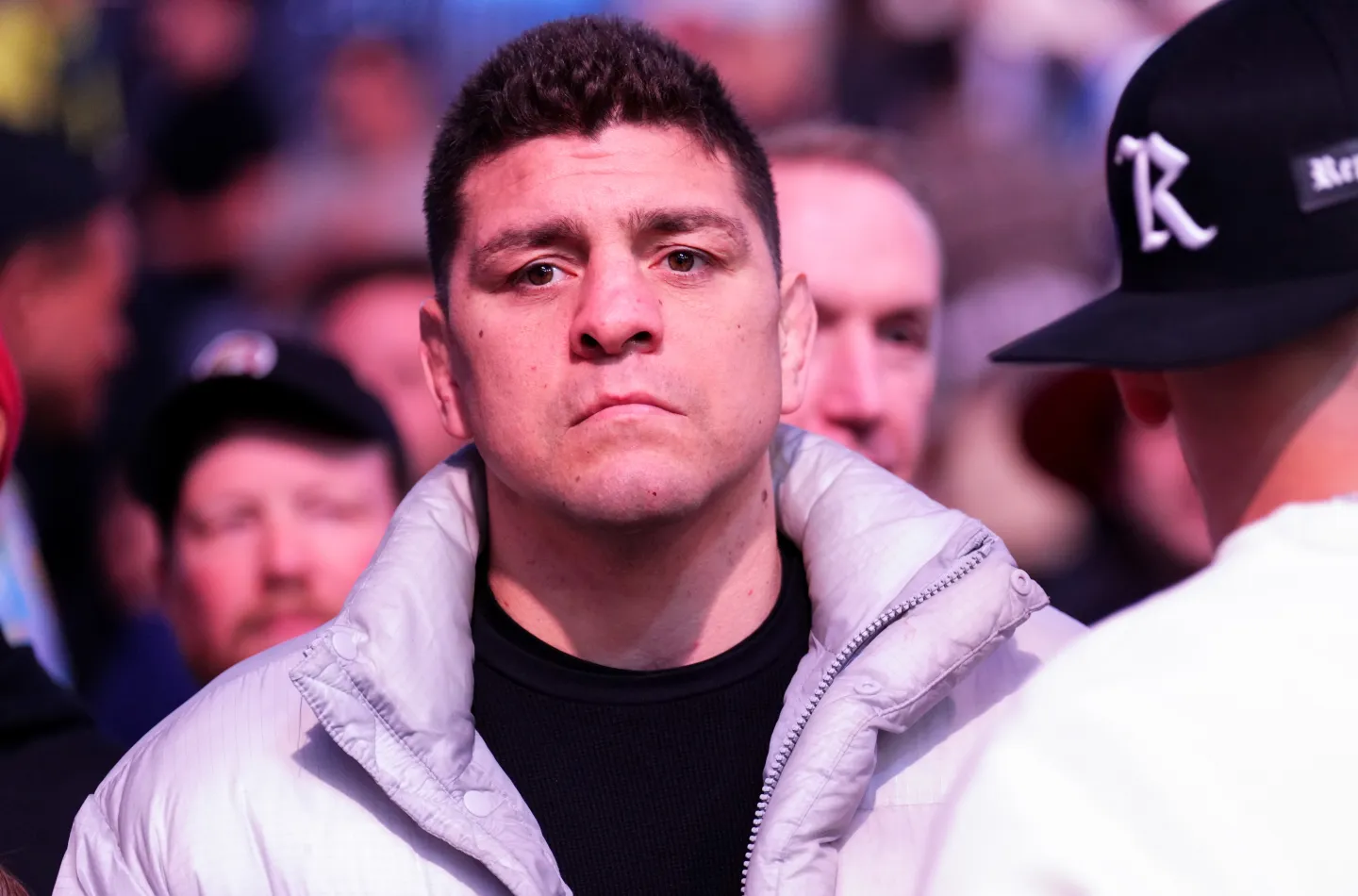
Nick Diaz has never been one to follow conventional paths, and his latest chapter proves that pattern continues unabated. The former Strikeforce welterweight champion and perennial UFC title contender has broken his silence about a recent involuntary rehabilitation stay in Mexico, while simultaneously declaring his intention to capture a world championship at age 42. This revelation marks a significant development in one of MMA's most compelling and turbulent careers.
The News
Speaking from the Baja Rehab center in Baja California, Mexico, Nick Diaz opened up about his ongoing battle with substance abuse and his journey toward sobriety. The 42-year-old fighter, who hasn't competed since 2021, revealed he had been placed in the facility involuntarily, though he declined to provide extensive details about the circumstances that led to this placement.
Despite the challenging circumstances, Diaz's message was clear and ambitious: his fighting days are far from over. "I see myself becoming world champion," Diaz stated with characteristic confidence. "I see myself becoming world champion and I think it's easy money. It's not like before. People are going to see a brand new me."
The Stockton native acknowledged his struggles with marijuana and alcohol, emphasizing that while he never had issues with harder drugs, the loss of close friends to substance abuse served as a powerful wake-up call. According to Diaz, he had maintained sobriety for three years before experiencing a relapse that ultimately led to his current rehabilitation journey.
The Context
To understand the significance of Diaz's current situation, it's essential to examine the trajectory of his storied but troubled career. Nick Diaz burst onto the MMA scene in the early 2000s, quickly establishing himself as one of the sport's most exciting and unpredictable competitors. His aggressive fighting style, combined with his willingness to engage in stand-up battles, made him a fan favorite across multiple organizations.
Diaz's career highlights include capturing the Strikeforce welterweight championship in 2010 and engaging in some of the most memorable fights in MMA history. His victories over elite opponents like B.J. Penn, Paul Daley, and Robbie Lawler (in their first encounter) cemented his reputation as a legitimate threat to any welterweight in the world.
The fighter's relationship with the UFC has been complex and often contentious. His closest brush with UFC gold came in 2013 when he challenged Georges St-Pierre for the welterweight title at UFC 158. Despite a valiant effort, Diaz lost by unanimous decision in what many considered one of the most anticipated fights of that era. He also fought for an interim title against Carlos Condit, losing another close decision that remains controversial among fans and analysts.
Throughout his career, Diaz has faced numerous challenges outside the octagon. Multiple suspensions from athletic commissions, conflicts with promoters, and personal struggles have created a pattern of lengthy absences from competition. His most recent fight came at UFC 266 in September 2021, where he lost to Robbie Lawler by third-round TKO in a rematch of their 2004 encounter, which Diaz had won by knockout.
The Analysis
Diaz's current situation represents both the continuation of long-standing personal struggles and a potential turning point in his life and career. His openness about substance abuse issues demonstrates a level of self-awareness that has sometimes been absent in his public statements throughout his career.
The fact that Diaz was placed in rehab involuntarily suggests the severity of his situation had reached a critical point. However, his willingness to discuss the experience publicly and his commitment to treatment indicate a genuine desire for change. "I definitely recommend treatment," Diaz said, reflecting on how rehabilitation could have saved the lives of friends he lost to substance abuse.
His three-year period of sobriety before relapsing shows that Diaz has previously demonstrated the ability to maintain recovery. This history, combined with his current treatment, suggests that his commitment to sobriety may be more sustainable this time around.
From a competitive standpoint, Diaz's championship aspirations at 42 raise legitimate questions about realistic expectations. The welterweight division has evolved significantly since his prime years, with a new generation of athletes who combine technical skill with physical attributes that present unique challenges for older fighters.
However, dismissing Diaz entirely would be premature. His fighting style has always relied more on cardio, pressure, and boxing fundamentals than on explosive athleticism. These attributes can age better than pure speed and power, potentially giving him a pathway to remain competitive against younger opponents.
The Implications
For Nick Diaz: This revelation marks a crucial juncture in his life and career. Successfully completing rehabilitation and maintaining sobriety would provide the foundation necessary for any meaningful return to competition. His championship aspirations, while ambitious, could serve as powerful motivation for maintaining his recovery.
The challenge for Diaz will be translating his renewed commitment to sobriety into effective training and competition. At 42, the margin for error in elite MMA competition is virtually non-existent. Every aspect of his preparation, from physical conditioning to mental focus, will need to be optimized.
For the UFC: Diaz remains one of the sport's most recognizable names, with a devoted fanbase that spans generations. A successful comeback story involving sobriety and redemption would be a marketing dream for the promotion. However, the UFC also faces the responsibility of ensuring that any return is medically and ethically appropriate.
The promotion has previously shown patience with Diaz's various issues, and his drawing power makes him an attractive option for high-profile fights. However, any comeback would need to be carefully managed to protect both Diaz's health and the sport's integrity.
For the Welterweight Division: Diaz's potential return would add an intriguing element to an already competitive division. While he may not be an immediate title contender, his name value and fighting style could create compelling matchmaking opportunities.
Veterans like Jorge Masvidal, who has expressed interest in fighting Diaz, or other established names could provide appropriate opposition for a comeback fight. The key would be finding opponents who offer legitimate competition without presenting overwhelming physical advantages.
For Combat Sports: Diaz's story highlights the ongoing challenges that fighters face with substance abuse and mental health issues. His willingness to discuss these problems publicly could help reduce stigma and encourage other athletes to seek help when needed.
The combat sports community has increasingly recognized the importance of supporting athletes' mental health and addressing substance abuse issues. Diaz's experience could serve as both a cautionary tale and an example of recovery.
What to Watch
Several key factors will determine the trajectory of Diaz's comeback attempt:
Sobriety Maintenance: The foundation of any successful return will be Diaz's ability to maintain his sobriety long-term. His previous three-year stretch demonstrates this is possible, but the pressures of returning to high-level competition will present new challenges.
Physical Condition: At 42, Diaz will need to demonstrate that he can still compete at the elite level. His training footage, sparring sessions, and eventual medical clearances will provide insight into his physical readiness.
Matchmaking Decisions: The UFC's approach to Diaz's return will be crucial. Starting with an appropriate opponent who provides name recognition without overwhelming physical advantages would be ideal for both Diaz's confidence and fan interest.
Timeline Considerations: No specific timeline has been announced for Diaz's return, which is appropriate given his current focus on rehabilitation. However, extended delays could make an eventual comeback more difficult due to further aging and ring rust.
Family and Support System: The role of Diaz's support network, including his relationship with brother Nate and other family members, will be crucial for maintaining his recovery and competitive motivation.
Medical Clearances: Given his recent rehabilitation and age, Diaz will likely face enhanced medical scrutiny before being cleared to compete. These evaluations will provide objective measures of his readiness.
The MMA community will be watching closely as this story develops. Nick Diaz has always been more than just a fighter—he's been a symbol of authenticity and rebellion in a sport that often rewards conformity. His current journey represents an opportunity for personal redemption and potentially one final chapter of competitive excellence.
Whether Diaz can successfully navigate the challenges of recovery, physical preparation, and elite competition at 42 remains to be seen. However, his willingness to confront his demons publicly and his unwavering belief in his championship potential make this one of the most compelling comeback stories in recent MMA history.
The next few months will be critical in determining whether this represents a genuine turning point or another false start in the complex career of Nick Diaz. Regardless of the outcome, his openness about substance abuse and recovery has already provided value beyond the octagon, potentially helping others facing similar struggles.

Login with Email or Google
Be the first to comment!