Jon Jones Reveals Severe Arthritis Could End Career: Hip Replacement Looming for UFC Legend
The News
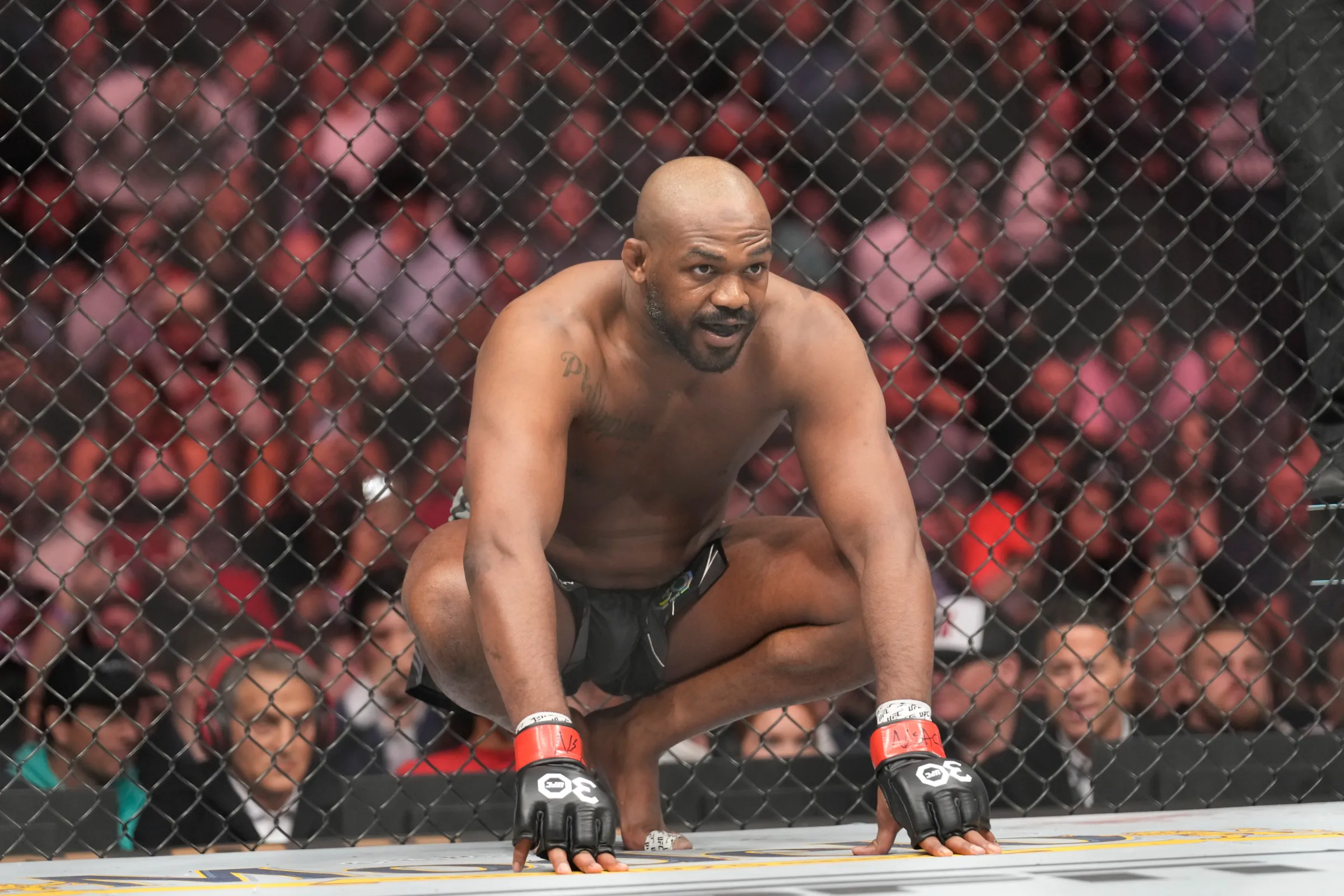
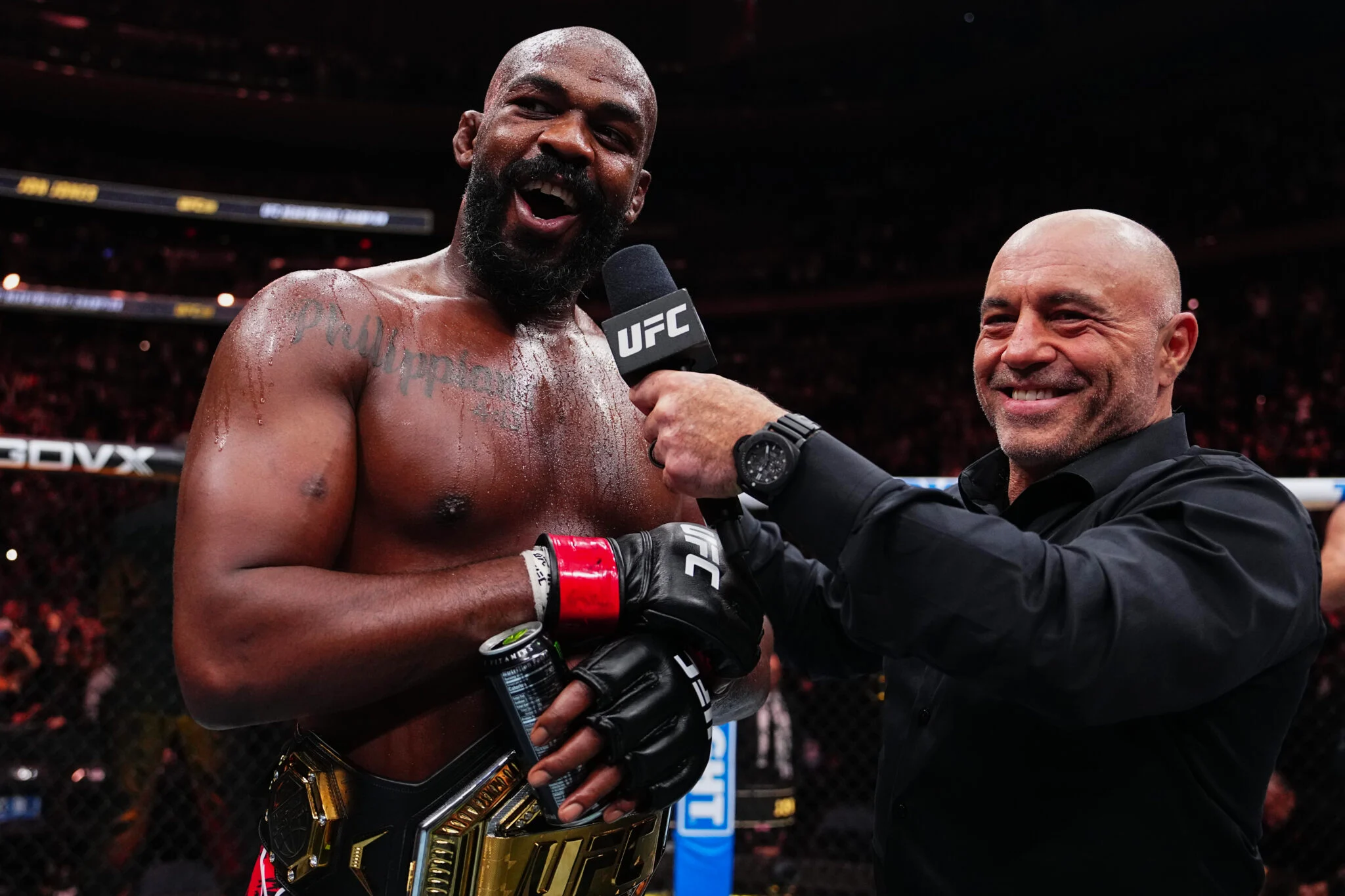
Jon Jones, arguably the greatest mixed martial artist of all time, has revealed the devastating physical toll his legendary career has taken on his body. In a candid admission that has sent shockwaves through the MMA community, the former two-division UFC champion disclosed that he suffers from severe arthritis in his left hip that already qualifies him for a hip replacement surgery.
The revelation came to light through a private conversation at the Dirty Boxing Championship (DBX) 5 event in Houston, where Jones declined a wrestling match challenge from his longtime rival Daniel Cormier. In the viral footage, Jones explained his reluctance to engage in grappling activities, stating: "I have severe arthritis and most people don't know that. My left hip is covered in arthritis. I actually already qualify for a hip replacement. My last training camp, I went to bed in so much pain."
The 37-year-old fighter, who hasn't competed since his heavyweight title defense against Stipe Miocic at UFC 309, later confirmed the authenticity of these statements in a detailed response to TMZ. Jones emphasized that while the conversation was meant to be private, he stands by his words and the reality of his physical condition.
The Context
To understand the significance of this revelation, one must consider Jones' unprecedented career trajectory and the physical demands he has endured. Since making his UFC debut in 2008 at just 20 years old, Jones has compiled a record that many consider untouchable: 27 wins, 1 loss (a controversial disqualification), and 1 no-contest across nearly two decades of elite competition.
Jones' career has been marked by grueling battles against the sport's most dangerous competitors. His wars with Daniel Cormier, Alexander Gustafsson, and Glover Teixeira, among others, have produced some of the most memorable moments in UFC history. The physical toll of these encounters, combined with the accumulated damage from thousands of training sessions, has apparently manifested in a condition that could potentially end his career.
The timing of this revelation is particularly significant given the ongoing speculation about Jones' future in the sport. After successfully defending his heavyweight title against Miocic in November 2024, Jones initially announced his retirement, citing a lack of interest in unifying titles with interim champion Tom Aspinall. However, he quickly reversed course, expressing interest in competing on the proposed UFC White House card scheduled for June.
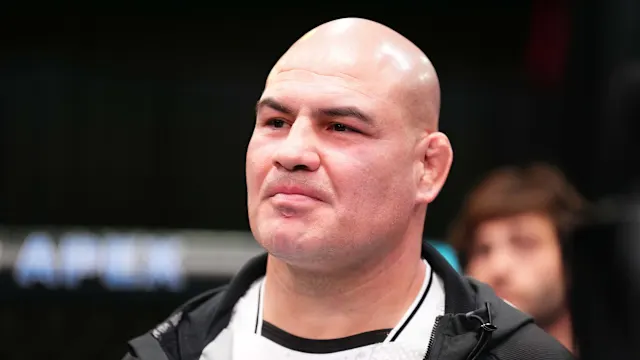
The relationship between Jones and Cormier adds another layer of complexity to this story. Their rivalry, which began in 2014, has transcended their two official fights and evolved into one of MMA's most enduring feuds. Despite both men being retired from active competition, their recent coaching stint on a Russian version of The Ultimate Fighter reignited discussions about a potential third encounter, whether in boxing, wrestling, or another format.
The Analysis
Jones' arthritis revelation forces a sobering examination of the long-term consequences of elite-level mixed martial arts competition. While fans and media often focus on the immediate aftermath of fights—cuts, bruises, and short-term injuries—the cumulative damage that fighters sustain throughout their careers often remains hidden until retirement or beyond.
The fact that Jones qualifies for hip replacement surgery at 37 years old speaks to the extraordinary physical demands he has placed on his body. Hip arthritis in athletes typically develops from repetitive stress, impact trauma, and the wear-and-tear associated with high-level training and competition. For a fighter like Jones, who has competed at the highest level for over 15 years, such deterioration is perhaps inevitable.
Jones' admission also sheds light on the mental and emotional challenges fighters face when dealing with chronic pain and physical limitations. His statement about going to bed in "so much pain" during his last training camp provides insight into the sacrifice required to compete at the championship level while managing significant physical ailments.
The strategic implications of this revelation cannot be overlooked. By publicly acknowledging his physical limitations, Jones may be positioning himself for negotiations with the UFC regarding his potential return. His emphasis that "the reward would have to be something special and something more than a fat payday" suggests he's using his health concerns as leverage for securing the coveted White House card spot.
The Implications
For Jones himself, this revelation represents a crossroads moment in his career. The admission of severe arthritis and the potential need for hip replacement surgery raises serious questions about his ability to compete at the elite level he has maintained throughout his career. While Jones insists he can "still kick 99% of your asses out there," the reality of competing against top-tier heavyweights while managing chronic pain and limited mobility presents significant challenges.
The impact on the UFC's heavyweight division could be substantial. Jones currently holds the heavyweight title (though he relinquished it upon announcing retirement), and his potential permanent departure would leave a significant void at the top of the division. The promotion has been eager to see Jones face interim champion Tom Aspinall in a unification bout, but Jones' health concerns may make such a matchup impossible or inadvisable.
From a broader industry perspective, Jones' candid discussion of his physical ailments highlights the need for better long-term health monitoring and support for fighters. The revelation that he has been competing with severe arthritis for an extended period raises questions about medical protocols and the responsibility of athletic commissions and promotions to protect fighters from themselves.
The potential end of Jones' career would represent the conclusion of one of the most significant chapters in MMA history. His influence on the sport extends far beyond his win-loss record, encompassing his innovative fighting style, his ability to adapt and evolve, and his role in elevating the profile of mixed martial arts globally.
What to Watch
Several key developments will determine how this story unfolds in the coming months. First, the UFC's decision regarding the White House card will be crucial. If the promotion moves forward with the event and includes Jones, it could represent his final opportunity to compete at the highest level. However, UFC CEO Dana White's previously expressed concerns about Jones' reliability may be amplified by these health revelations.
The medical evaluation process will be critical. While Jones has stated that the UFC is aware of his condition, any potential return would likely require comprehensive medical clearance. The severity of his arthritis and the risk of further damage will need to be weighed against his desire to compete.
Jones' relationship with his family, particularly his young son, adds another dimension to consider. His statement about wanting to "use what I've got left in my hips to play with his ass" suggests a shift in priorities that could influence his decision-making process.
The response from potential opponents, particularly Tom Aspinall, will also be worth monitoring. Aspinall has been vocal about his desire to face Jones, and this revelation may impact his approach to securing that fight or his willingness to wait for Jones' return.
From a legacy standpoint, how Jones chooses to handle this situation could define how he is remembered. A graceful retirement while acknowledging his physical limitations could enhance his reputation, while attempting to continue competing despite significant health concerns could raise questions about his judgment and long-term well-being.
The broader conversation about fighter health and safety in MMA will likely be influenced by Jones' openness about his condition. His willingness to discuss the reality of competing with chronic pain and arthritis could encourage other fighters to be more transparent about their own health challenges and potentially lead to improved medical protocols and support systems within the sport.
Ultimately, Jon Jones' revelation about his severe arthritis represents more than just a health update—it's a stark reminder of the physical price paid by elite athletes and a potential turning point in one of MMA's greatest careers. Whether this leads to retirement, one final fight, or continued competition while managing chronic pain, the decision will have far-reaching implications for Jones, the UFC, and the sport of mixed martial arts as a whole.
The coming months will reveal whether the man many consider the greatest fighter of all time can overcome his physical limitations for one more legendary performance, or if the accumulated damage from a career spent at the pinnacle of combat sports has finally caught up with him. Either way, Jones' legacy as a transformative figure in mixed martial arts remains secure, even as his body bears the permanent scars of his extraordinary journey to greatness.





Login with Email or Google
Be the first to comment!