Dana White Questions Ian Machado Garry’s ‘Killer Instinct’ After UFC 330
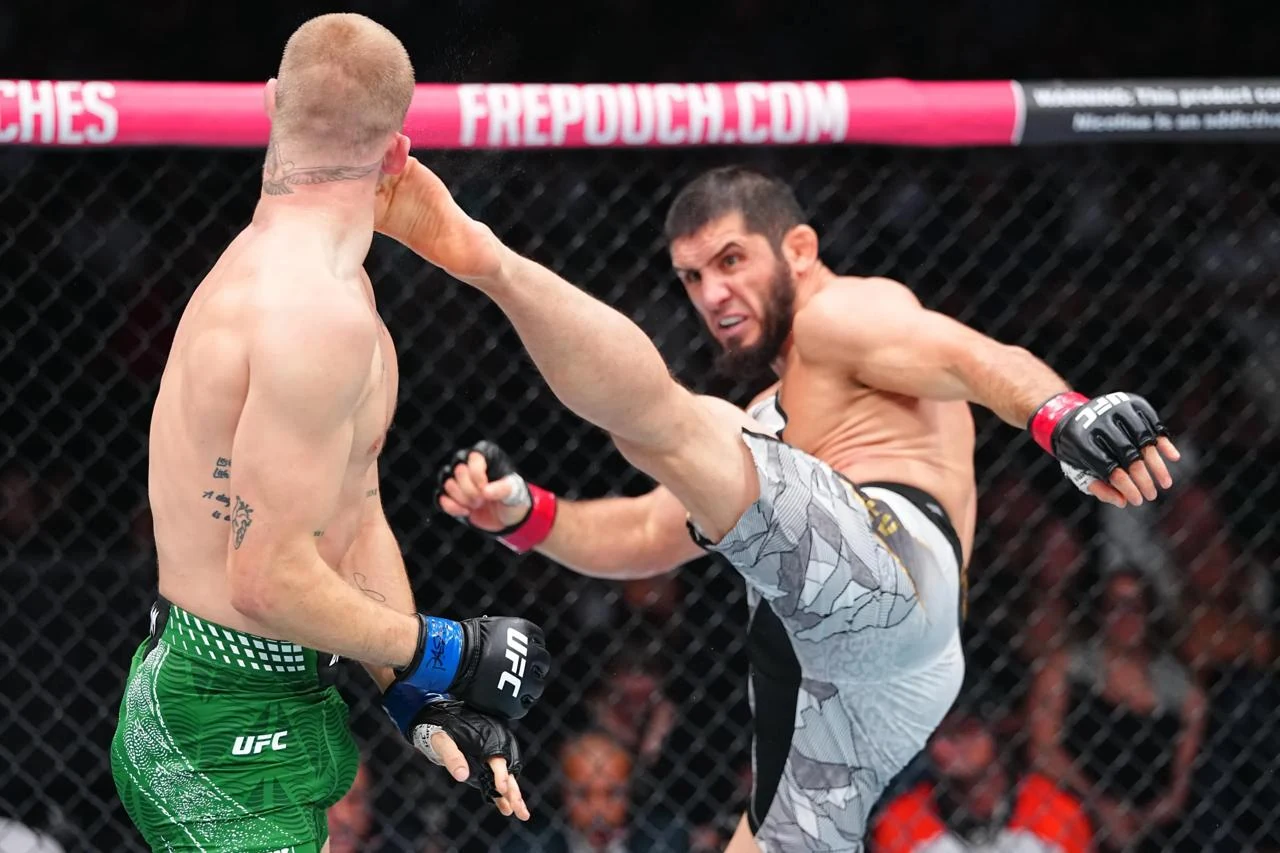
Dana White has renewed his criticism of Ian Machado Garry’s final-round approach against Islam Makhachev, questioning whether the Irish challenger showed the “killer instinct” needed to seize his UFC 330 title opportunity.
Speaking on The Diary of a CEO, White returned to the final five minutes of Machado Garry’s unanimous-decision loss to Makhachev. He praised the challenger for making the champion work through four competitive rounds, but argued that respect and sportsmanship took the place of urgency when Machado Garry needed a finish—or at least a decisive final round—to change the result.
Video: The Diary of a CEO’s official YouTube upload, embedded through YouTube’s player. The discussion of Machado Garry begins at approximately 39:51.
White says the opportunity demanded more urgency
White’s complaint was not that Machado Garry had been outclassed from the opening bell. In fact, he emphasized the opposite. He described the 28-year-old as the younger, bigger and rangier fighter and credited him with performing well through the first four rounds against an opponent White called possibly the greatest fighter of all time.
But with Makhachev ahead on the scorecards, White believed the challenger had to treat the fifth round as a career-defining emergency.
“You have five minutes to shock the world,” White said during the interview, adding that everything Machado Garry had worked for could have changed in those final minutes. Instead, White focused on the handshakes and displays of respect between the fighters, saying that affection could wait until after the belt had been decided.
When host Steven Bartlett asked whether that meant Machado Garry lacked killer instinct, White stopped short of making a permanent judgment.
“I don’t know,” White said. “He’s a classy, really nice guy, but that’s not the time or place to be it.” He then clarified his point: “He didn’t show it. If he does have it, he didn’t show it.”
The fifth round ended on Makhachev’s terms
Makhachev retained the UFC welterweight title by unanimous decision at UFC 330 in Philadelphia on August 15. The official scores were 49-46, 49-46 and 48-47.
The UFC’s official account of the fight said Machado Garry found success with his striking as the contest progressed, while Makhachev returned to his wrestling in the fourth round. In the fifth, the champion put Machado Garry on the canvas, took his back and controlled the position through the end of the fight.
That sequence supports part of White’s frustration: the round ended without Machado Garry creating the dramatic swing he needed. It also shows why the solution was not as simple as charging forward. Reckless pressure against an elite grappler can create exactly the takedown and back-taking opportunities Makhachev used to close the fight.
White made the same basic argument immediately after UFC 330. At the official post-fight press conference, he said Machado Garry should have opened the fifth with something aggressive—“a flying knee or something crazy”—and tried to force a finish. Seven weeks later, his view had not softened.
Criticism of the decision, not the entire performance
White’s comments can sound like a sweeping verdict on Machado Garry’s mentality, but his full answer was more specific. He praised the challenger’s work over four rounds and acknowledged that Machado Garry had damaged Makhachev’s face and right side. His criticism centered on the transition from competing well to gambling for the championship when time was running out.
That distinction matters. Machado Garry pushed one of the sport’s most accomplished fighters through a difficult five-round contest and showed strong takedown defense for significant stretches. Makhachev nevertheless won the rounds that mattered on the judges’ cards and imposed his best skill set when the fight reached its decisive stage.
For White, the lesson was about recognizing the moment. A challenger can earn respect by being competitive, but a title fight may demand a different level of risk once the corner knows the score is likely slipping away.
What the criticism means for Machado Garry
The loss moved Machado Garry to 17-2, but it did not erase his position among the leading welterweights. Going five rounds with Makhachev demonstrated that he belongs near the top of the division, even if the result exposed a question White believes remains unanswered.
The next time Machado Garry reaches a late-round crossroads, the scrutiny will be immediate. White has now made clear what he wants to see: less ceremony, more urgency and a willingness to risk a respectable loss for the possibility of a championship-changing finish.
Whether that is a fair reading of one tactical round or a deeper question about Machado Garry’s competitive instincts will be decided by what he does with his next major opportunity—not by a handshake.


Login with Email or Google
Be the first to comment!