Dana White Defends Ronda Rousey: "She Is a F***ing Unicorn" Who Changed His Mind on Women in the UFC
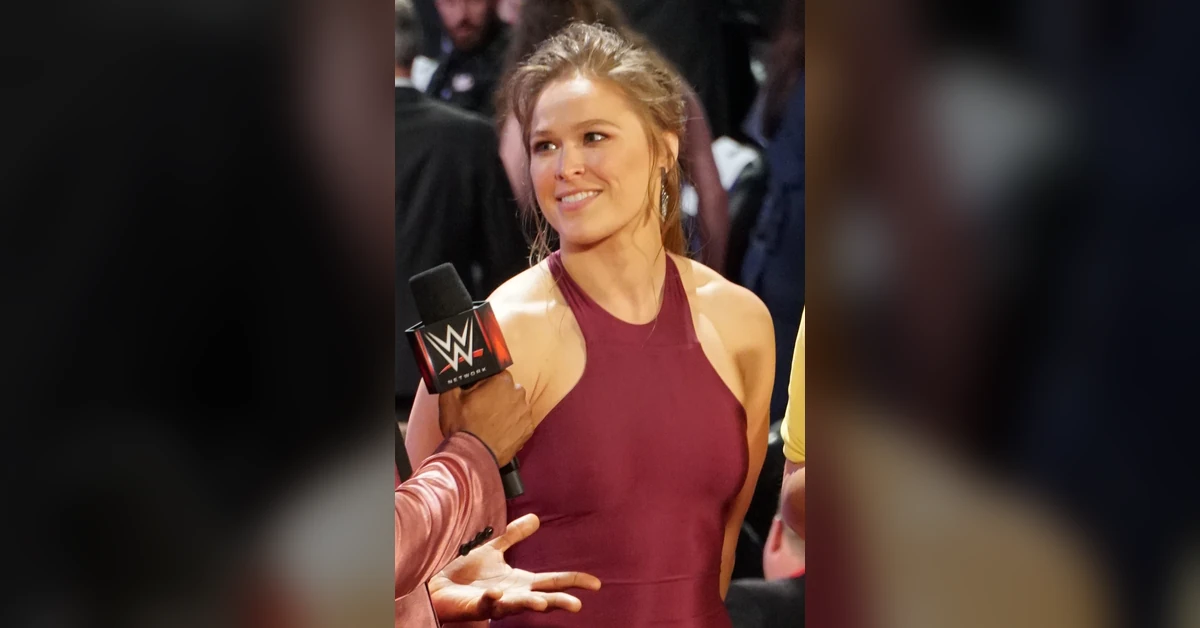
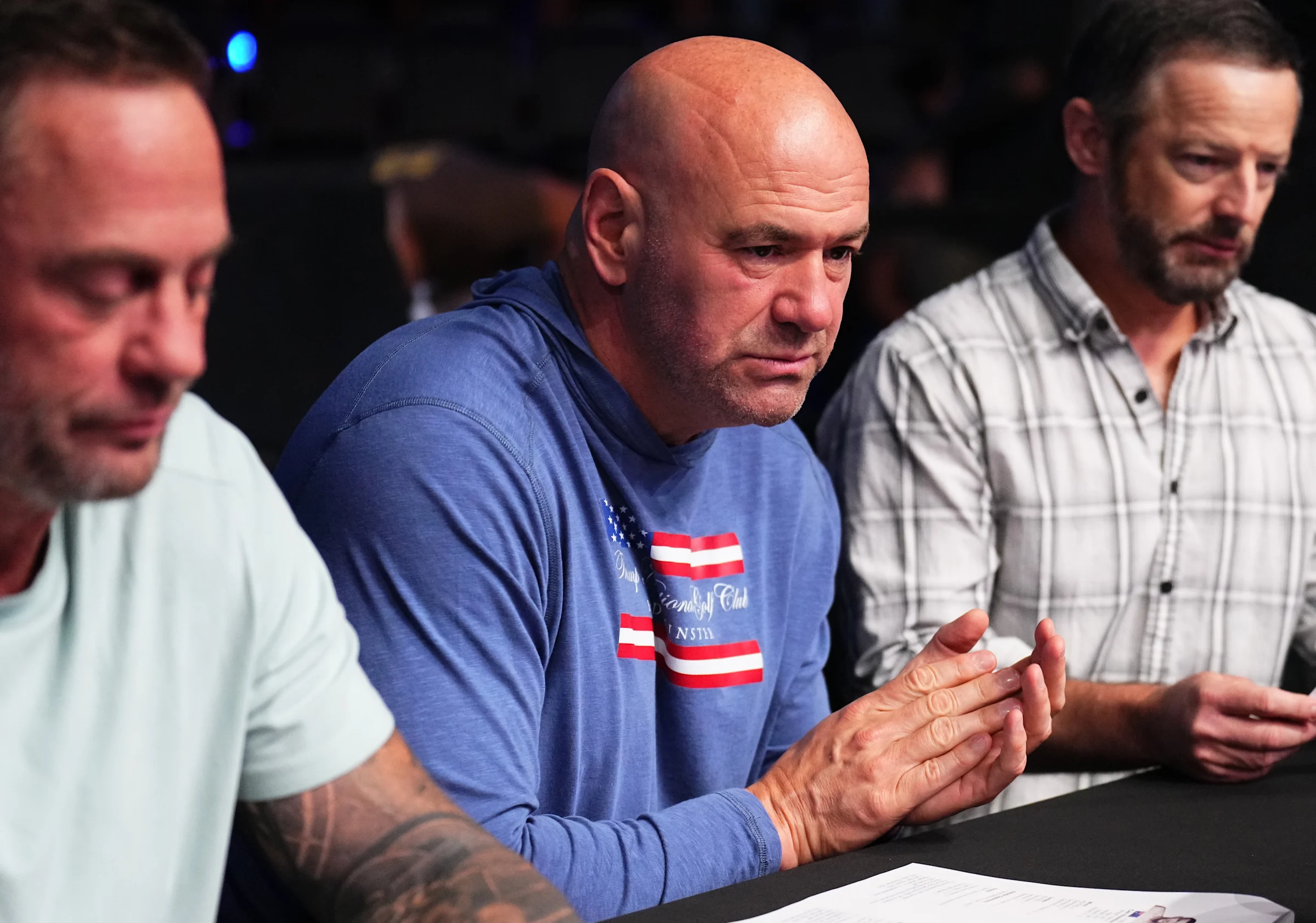
UFC CEO Dana White has pushed back against the criticism Ronda Rousey has faced in recent years, revealing the 15-minute conversation that convinced him to open the promotion's doors to female fighters.
Speaking on The Diary of a CEO with Steven Bartlett, White said he never wanted women in the UFC until Rousey approached him at an event and made her case. His message to her detractors was blunt.
"I Didn't Want Women in the UFC"
White said he held no interest in launching a women's division before Rousey came along. His reluctance, he explained, was largely a business calculation.
"People wanna talk s**t about Ronda Rousey now. But let me tell you what: Ronda Rousey came to me. I didn't want women in the UFC, right? And the reasoning is, I was trying to sell men to networks and sponsors, and they were like, 'This is too, ugh, whatever, women?'"
In other words, White was already working to convince broadcasters and sponsors to invest in the sport. Adding a women's division, in his view at the time, risked complicating an already difficult sell.
The 15-Minute Pitch
White described a chance encounter that changed his thinking. Rousey, then a decorated judoka and Strikeforce champion, approached him at an arena and asked for a few minutes of his time.
"Ronda Rousey grabbed me at an event, said, 'Hey, I'm Ronda Rousey. Can I get 15 minutes with you?' We went into my room at the arena and, I don't know, minutes into the conversation, I'm like, 'Holy s**t. I think I'm going to do this,' and she's the one to do it with, you know?"
Not long into the meeting, White said, he was already sold, and he was sold specifically on Rousey as the person to launch the division. By his account, the pitch itself mattered less than the confidence of the person delivering it.
What Impressed White: "The Whole F*ing Bravado"
White singled out Rousey's attitude as the deciding factor. "She came in with the whole fing bravado. You want to talk about a chip on your shoulder? I mean, she had it. You know, so many people now want to hate on her. She is a fing unicorn," he said.
That mentality, according to White, is something he looks for in the sport's biggest stars. Asked what separates the Conor McGregors, Khabib Nurmagomedovs, and Ronda Rouseys from everyone else in MMA, White pointed to an ability to sell a vision, on top of fighting skill.
"The number one factor in this business, can you fight? How good are you? Number two is this mentality of manifesting and just sitting there, and you're telling me what you're going to do and how it's going to happen and how it's all going to play out."
By White's own telling, such conversations are rare. Across roughly 25 years running the UFC, only a handful have actually changed his mind, and Rousey's proposal ranks among the most significant of them.
Backing Up the Bravado
Rousey's confidence was matched by results. She made history in the first women's fight in UFC history at UFC 157 on February 23, 2013, submitting Liz Carmouche with just seconds remaining in the first round to become the inaugural UFC women's bantamweight champion.
She went on to defend the title six more times and was inducted into the UFC Hall of Fame in 2018. Her crossover appeal, built on an Olympic judo medal, a Hollywood profile, and later a run in WWE, helped carry MMA further into the mainstream than the sport had previously reached.
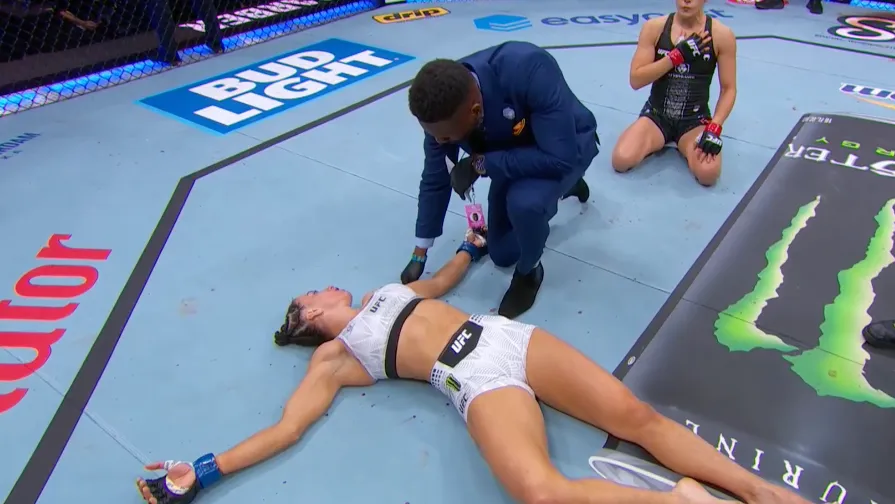
More recently, Rousey returned to MMA earlier this year to face Gina Carano before retiring following the fight.
Context: A Division That Almost Didn't Exist
White's comments add useful context to a history that is easy to take for granted today. The UFC's women's divisions are now a staple of the promotion, producing some of its biggest names and most compelling title fights. But White's account is a reminder that the sport's institutional skepticism was real, and that it took one fighter's persistence and presence to overcome it.
His remarks also arrive at a time when Rousey's legacy has become a point of debate among fans and commentators. By recounting the origin of the division in such emphatic terms, White is making clear where he stands. Whatever the public conversation around Rousey has become, he credits her with doing something no one else had managed: changing his mind.
What It Means Going Forward
White's defense of Rousey is unlikely to end the online debate over her place in the sport, but it does reinforce her historical standing from the person best positioned to speak to it. Her role as the catalyst for women's MMA in the UFC is difficult to dispute, and the promotion's CEO is now on the record saying so in no uncertain terms.
For a sport that has since built deep women's divisions across multiple weight classes, the origin story is a simple one: a fighter with enough belief in herself asked for 15 minutes, and the UFC changed forever.


Login with Email or Google
Be the first to comment!