Dan Hooker and Paddy Pimblett's Feud Explodes After Controversial Family Comment

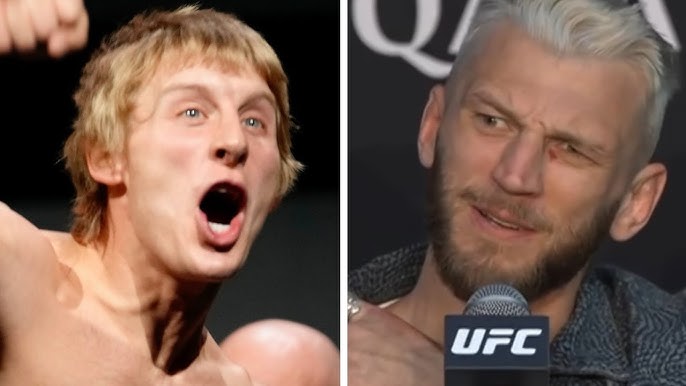
The MMA world is witnessing one of the most personal and heated feuds in recent memory as Dan Hooker and Paddy Pimblett's rivalry has escalated far beyond typical fight promotion banter. What began as standard trash talk between two lightweight contenders has devolved into deeply personal attacks that have crossed every line of professional decorum, leaving both fighters promising violence when they next encounter each other.
The News: From Banter to Bitter Hatred
The explosive feud reached its boiling point when Paddy Pimblett made a shocking comment about Dan Hooker's family during an interview with The MMA Guru. The Liverpool fighter, attempting to mock Hooker's grappling skills following his submission loss to Arman Tsarukyan at UFC Qatar in November, crossed into uncharted territory with his remarks.
"Dan Hooker couldn't grapple a r-pist off his mum," Pimblett said, using a hypothetical sexual assault scenario involving Hooker's mother to criticize the New Zealander's ground game. The comment immediately sparked outrage across the MMA community, with fans, fighters, and media members condemning the inappropriate nature of the joke.
Hooker's response was equally controversial and deeply personal. The "Hangman" referenced Ricky, Pimblett's close friend who died by suicide in 2022, posting "RIP Ricky" on social media as retaliation. This exchange transformed what had been routine fighter promotion into something far more sinister, with both men declaring their next meeting would be "on sight."
In a recent interview with Ariel Helwani, Hooker made his intentions crystal clear. "I'll try to kick his head in," he stated when asked what "on sight" means. "If anyone makes a comment like that towards me, I'll kick your head in."
The Context: Understanding the Unwritten Rules
To fully grasp why this feud has reached such toxic levels, it's essential to understand the unwritten code that exists within professional fighting. While trash talk is not only accepted but often encouraged as part of fight promotion, there are traditionally understood boundaries that separate business from personal attacks.
"Name a fighter in history that's ever made a rape joke about someone's mother," Hooker pointed out during his interview with Helwani. "As fighters, that's just a line that we don't cross. You don't talk about family. You don't mention people's wives, mothers and kids. That's on the no-go list."
This code has been respected by even the most notorious trash talkers in MMA history. Conor McGregor, despite his willingness to attack opponents on personal levels, rarely ventured into family territory during his rise to superstardom. When he did cross those lines later in his career, such as bringing up Khabib Nurmagomedov's father or religion, it resulted in genuine animosity that extended far beyond the octagon.
The distinction between professional antagonism and personal hatred is crucial in combat sports. Fighters regularly engage in psychological warfare to gain mental advantages over opponents, but this typically focuses on fighting ability, career accomplishments, or public persona rather than family members or personal tragedies.
Hooker emphasized this point, explaining that Pimblett's initial criticism of his grappling skills meant nothing to him. "The UFC was freaking out like, 'If Dan and Paddy see each other at the hotel in Qatar...' I'm like, what, because he said I'm shit at jiu-jitsu? I couldn't give a flying fuck if someone said I'm shit at jiu-jitsu," Hooker explained. The escalation only occurred when Pimblett brought his mother into the conversation with the rape reference.
The Analysis: Career Implications and Timing
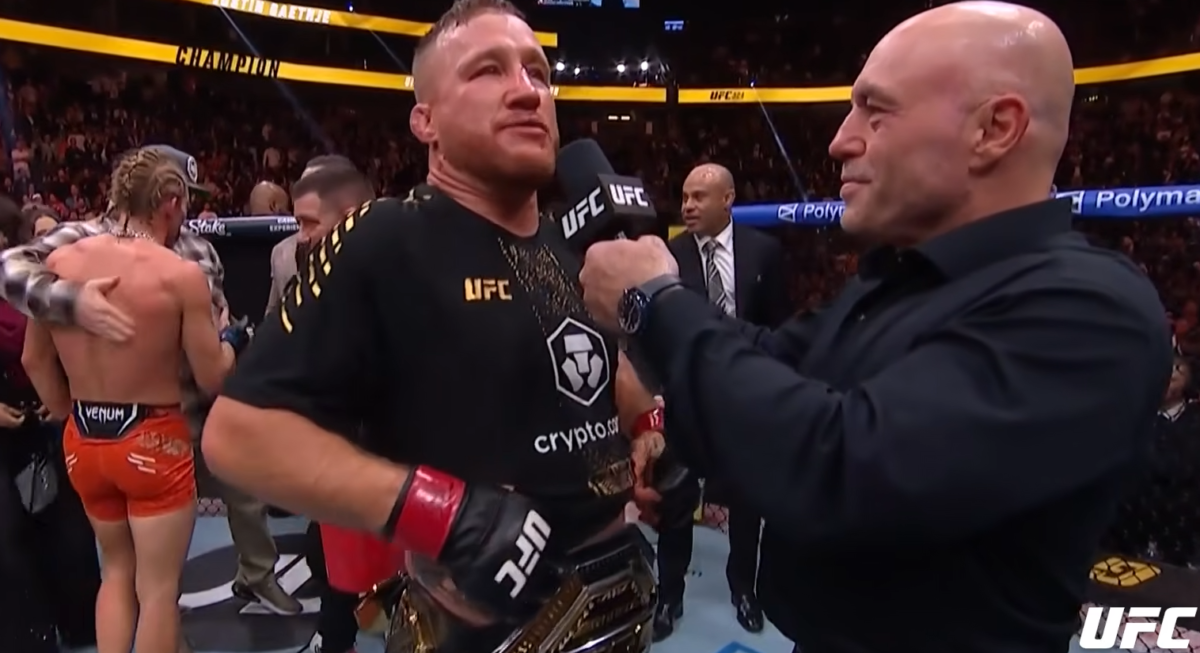
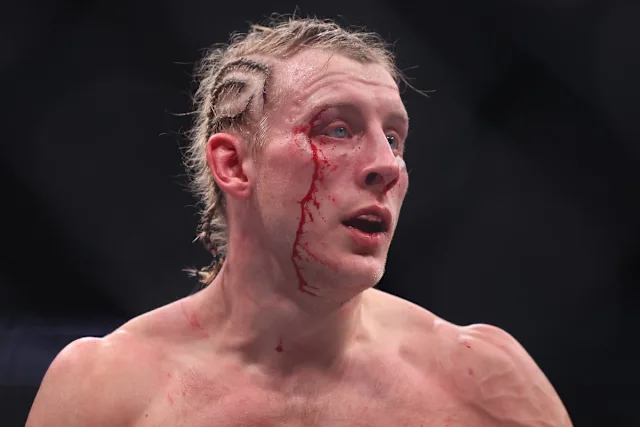
The timing of this feud adds multiple layers of complexity to an already volatile situation. Pimblett recently suffered his first UFC loss, dropping a unanimous decision to Justin Gaethje at UFC 324 on January 24. The judges scored the fight 48-47, 49-46, and 49-46 in Gaethje's favor after a grueling five-round war that saw the previously unbeaten prospect knocked down multiple times.
This loss represents a significant career crossroads for Pimblett, who had built his UFC reputation on an undefeated streak and charismatic personality that made him one of the promotion's most marketable prospects. The defeat to Gaethje, a former interim lightweight champion and one of the division's most dangerous strikers, exposed vulnerabilities in Pimblett's game while simultaneously earning him respect for his heart and durability.
Meanwhile, Hooker is preparing for his own crucial fight against Benoit Saint Denis at UFC 325 in Sydney, Australia, on February 1. The co-main event represents an opportunity for the New Zealand veteran to bounce back from his submission loss to Tsarukyan and re-establish himself as a legitimate contender in the stacked lightweight division.
Hooker's decision to take this fight on a quick turnaround speaks to his mindset following the Tsarukyan defeat. "I had a bad taste in my mouth" after the loss, he told Helwani, indicating his eagerness to return to action and prove his worth against another dangerous opponent in Saint Denis.
The French fighter presents a significant challenge for Hooker, bringing an aggressive, well-rounded skill set that has made him one of the division's rising prospects. Saint Denis has shown impressive finishing ability and durability in his recent UFC performances, making this a high-stakes encounter for both men's championship aspirations.
The Implications: Multiple Stakeholders Affected
This feud creates complex implications for various stakeholders within the MMA ecosystem, starting with the UFC's promotional machinery. While heated rivalries often generate significant pay-per-view buys and media attention, the deeply personal nature of this conflict presents challenges for the promotion's marketing department.
The UFC has historically capitalized on genuine animosity between fighters, from Chuck Liddell vs. Tito Ortiz to Jon Jones vs. Daniel Cormier. However, those feuds, while personal, maintained some level of professional boundaries. The Hooker-Pimblett situation has crossed into territory that makes it difficult for the promotion to market without appearing to endorse or trivialize serious subjects like sexual assault and suicide.
For Pimblett specifically, this controversy comes at a particularly vulnerable time in his career. His recent loss to Gaethje already raised questions about his ability to compete with elite-level competition, and now his reputation as a marketable personality faces scrutiny due to his inappropriate comments. The Liverpool fighter's brand was built on his charismatic, everyman persona that resonated with UK audiences, but crossing into offensive territory could alienate sponsors and fans.
Hooker faces his own reputational challenges following his response involving Pimblett's deceased friend. While many understand his anger over the family comment, referencing suicide in retaliation creates its own set of problems. The veteran fighter's standing within the MMA community could suffer if fans and fellow fighters view his response as equally inappropriate.
The broader MMA community must also grapple with where to draw lines regarding acceptable trash talk. This incident serves as a case study in how quickly promotional banter can spiral into genuinely harmful territory, potentially setting precedents for future interactions between fighters.
Historical Context: When Feuds Go Too Far
MMA history provides several examples of feuds that transcended professional competition, though few have ventured into the territory currently occupied by Hooker and Pimblett. The most notable comparison might be the Jon Jones vs. Daniel Cormier rivalry, which featured genuine personal animosity that extended well beyond their two championship fights.
That feud included heated exchanges about Jones's legal troubles and personal life, with both men engaging in behavior that suggested real hatred rather than manufactured drama. Their infamous brawl during a UFC 178 media event demonstrated how genuine animosity could boil over into real-world consequences, resulting in fines and suspensions for both fighters.
However, even the Jones-Cormier feud, intense as it was, rarely ventured into the kind of deeply personal territory that Hooker and Pimblett have entered. The current situation represents a new low in terms of crossing professional boundaries, with both fighters acknowledging that their conflict extends beyond the octagon.
The Chael Sonnen model of trash talk, which influenced a generation of fighters, always maintained a certain level of performance art quality. Sonnen's most outrageous comments were clearly designed for entertainment value and promotional purposes, with the fighter often breaking character in more serious interview settings. The Hooker-Pimblett situation lacks this performative quality, suggesting genuine animosity rather than calculated promotion.
What to Watch: Future Developments
Several key developments will determine how this feud evolves and ultimately resolves. The immediate focus centers on Hooker's upcoming fight with Saint Denis at UFC 325. A strong performance could position him for bigger fights and potentially set up the eventual showdown with Pimblett that both men seem to desire.
Pimblett's next move becomes equally crucial following his loss to Gaethje. The young fighter must decide whether to continue escalating this feud or attempt to refocus on rebuilding his career following his first UFC defeat. His team's guidance will likely prove instrumental in determining which path he chooses.
The UFC's handling of this situation will also bear watching. The promotion must balance its desire to capitalize on genuine rivalry with the need to maintain professional standards and avoid promoting content that could be viewed as offensive or harmful. How they choose to market any potential future matchup between these fighters will set important precedents for similar situations.
From a competitive standpoint, both fighters occupy interesting positions within the lightweight division. Hooker, despite recent setbacks, remains a dangerous contender with the experience and skills to challenge top-tier opponents. Pimblett, while coming off his first loss, showed tremendous heart against Gaethje and could use that performance as a building block for future success.
The resolution of this feud may ultimately depend on whether cooler heads prevail or if the animosity continues to escalate. Professional combat sports have seen similar situations resolve through actual competition in the octagon, where the finality of victory or defeat can often put an end to even the most heated rivalries.
However, given the deeply personal nature of the attacks exchanged between Hooker and Pimblett, it remains unclear whether even a definitive fight result would be sufficient to resolve their differences. The involvement of family members and deceased friends has elevated this conflict beyond typical professional rivalry, potentially creating lasting resentment that extends far beyond their fighting careers.
The MMA community will continue monitoring this situation closely, as it represents a test case for how far trash talk can go before crossing into genuinely harmful territory. The outcome may influence how future generations of fighters approach promotion and rivalry, potentially establishing new boundaries for acceptable behavior in professional combat sports.



Login with Email or Google
Be the first to comment!