Cameron Smotherman Collapses at UFC 324 Weigh-ins: Medical Scare Raises Questions About Fighter Safety Protocols
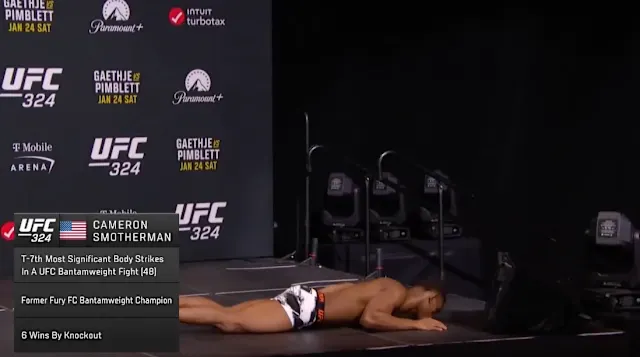
The mixed martial arts community was shaken on Friday morning when UFC bantamweight Cameron Smotherman collapsed face-first during the UFC 324 weigh-ins, creating one of the most alarming scenes witnessed at a UFC event in recent memory. The incident, which occurred just moments after Smotherman successfully made weight, prompted immediate medical intervention and raised fresh concerns about fighter safety protocols in the sport's most prominent organization.
The News: A Frightening Scene Unfolds
The drama unfolded during what should have been a routine weigh-in procedure for UFC 324. Smotherman, who was scheduled to face Ricky Turcios in an undercard bout, had just stepped off the scale after making weight when he suddenly collapsed forward, falling face-first in front of shocked onlookers and cameras. The severity of the fall was immediately apparent, with the fighter appearing unconscious as he hit the ground. On-site medical staff responded with remarkable speed, rushing to Smotherman's aid and carefully helping him from the floor. The medical team then carried him off the stage before transporting him to a local hospital for further evaluation. The incident was serious enough that his scheduled bout against Turcios was immediately canceled, marking another unfortunate chapter in what has been a challenging period for the bantamweight fighter. Later that day, the UFC provided an update that brought relief to concerned fans and fellow fighters. The organization announced that Smotherman had passed CT scans for both his head and neck, received a few sutures for injuries sustained in the fall, and was subsequently discharged from the hospital. While the immediate medical concerns appeared to be addressed, the incident left many questions unanswered about what caused such a dramatic collapse.The Context: Weight Cutting Culture and Fighter Health
To understand the significance of Smotherman's collapse, it's essential to examine the broader context of weight cutting in mixed martial arts. The practice of dramatic weight reduction has become an integral, if controversial, aspect of modern MMA. Fighters routinely lose 15-30 pounds in the final weeks before a fight, with some losing even more in extreme cases. The weight cutting process typically involves severe dehydration, extreme caloric restriction, and intensive training sessions designed to shed water weight rapidly. This practice has been linked to numerous health complications, including kidney problems, cardiovascular stress, and neurological issues. The most tragic example occurred in 2015 when Brazilian fighter Leandro Souza died from complications related to an extreme weight cut. Cameron Smotherman's UFC journey has been marked by both promise and setbacks. The bantamweight joined the promotion in 2024, making an impressive debut with a unanimous decision victory over Jake Hadley. However, his subsequent performances have been less successful, with back-to-back decision losses to Serhiy Sidey and Ricky Simon in 2025. These recent struggles may have added pressure to perform, though Smotherman's own statement suggests weight cutting was not a factor in his collapse. The bantamweight division, where Smotherman competes, is particularly notorious for difficult weight cuts. At 135 pounds, many fighters walk around at 155-165 pounds between fights, making the weight reduction process especially challenging. The division has seen numerous instances of fighters missing weight or experiencing health complications related to their cuts.The Analysis: Separating Facts from Assumptions
Smotherman's own statement following the incident provides crucial insight into what happened and, perhaps more importantly, what didn't happen. In addressing the speculation surrounding his collapse, the fighter was emphatic about one key point: this was not the result of an extreme weight cut. "I genuinely didn't cut very much weight for this fight," Smotherman explained in his statement. "I came in pretty low, but even [over] the course of this week, I haven't cut much weight." This revelation challenges the immediate assumption many made upon witnessing the collapse – that it was another casualty of MMA's weight cutting culture. The fighter's honesty about not knowing exactly what caused his collapse is both refreshing and concerning. While it's positive that he's being transparent rather than offering convenient explanations, the uncertainty surrounding the cause raises questions about potential underlying health issues that may not be immediately apparent. The medical evaluation Smotherman underwent – including CT scans of his head and neck – suggests medical professionals were concerned about potential traumatic brain injury from the fall itself, as well as possible neurological causes for the initial collapse. The fact that these scans came back clear is encouraging, but as Smotherman noted, additional testing will be necessary to determine the root cause.The Implications: Multiple Stakeholders Affected
The incident carries significant implications for various stakeholders within the MMA ecosystem. For Smotherman personally, the collapse represents both an immediate health concern and a potential career setback. Having already suffered two consecutive losses, the canceled bout means another delay in his attempt to build momentum in the UFC's competitive bantamweight division. From the UFC's perspective, the incident highlights both the effectiveness of their medical protocols and the ongoing challenges of ensuring fighter safety. The rapid response by medical staff and the comprehensive hospital evaluation demonstrate that emergency procedures functioned as intended. However, the fact that a fighter collapsed despite reportedly not engaging in an extreme weight cut suggests there may be health risks that current screening procedures don't adequately address. For Ricky Turcios, Smotherman's scheduled opponent, the cancellation represents a significant disruption. Fighters invest months of training, both physical and mental preparation, for specific opponents. The last-minute cancellation not only affects immediate career plans but also has financial implications, as fighter pay is typically tied to actual competition. The broader MMA community has responded with typical concern and support for Smotherman, but the incident also serves as a reminder of the sport's inherent risks. While much attention has focused on weight cutting dangers, this situation demonstrates that fighters face health risks that extend beyond the obvious hazards of extreme weight manipulation. Medical professionals within the sport are likely to view this incident as another data point in ongoing discussions about fighter health and safety protocols. The fact that standard pre-fight medical examinations apparently didn't identify any issues that might have predicted this collapse could prompt reviews of current screening procedures.Historical Context: Learning from Past Incidents
This incident occurs against the backdrop of increased awareness about fighter health and safety in professional MMA. The sport has evolved significantly from its early "no holds barred" days, implementing comprehensive medical testing, weight cutting regulations, and emergency response protocols. The UFC has made several adjustments to weigh-in procedures over the years, including moving official weigh-ins from the day of the fight to the day before, allowing fighters more time to rehydrate. The organization has also implemented same-day weigh-ins for some events and introduced early weigh-in programs to discourage extreme cutting practices. Previous incidents of fighter collapses or medical emergencies have typically been attributed to weight cutting complications. The 2014 incident involving Urijah Faber, who required IV fluids after a difficult cut, and various instances of fighters missing weight due to health complications have all contributed to ongoing discussions about weight cutting reform. What makes Smotherman's situation unique is his insistence that weight cutting was not a significant factor. This challenges the MMA community to consider other potential causes for such incidents and whether current medical screening procedures are comprehensive enough to identify all potential risk factors.What to Watch: Future Developments and Implications
Several key developments will be worth monitoring in the coming weeks and months. First and most importantly, the results of Smotherman's additional medical testing will be crucial in determining both his immediate health status and his ability to continue competing at the highest level of MMA. The UFC's response to this incident may also provide insight into potential policy changes or enhanced medical protocols. While the organization's immediate response appeared appropriate, there may be discussions about whether additional screening procedures or monitoring systems could help identify potential health issues before they manifest during high-stress situations like weigh-ins. For the broader MMA community, this incident may prompt renewed discussions about fighter health and safety protocols. If Smotherman's collapse was indeed unrelated to weight cutting, it raises questions about what other health factors might put fighters at risk and how the sport can better protect its athletes. The timing of Smotherman's return to competition will also be significant. Given his recent string of losses and this health scare, the UFC and his management team will need to carefully consider when and how he returns to action. A rushed comeback could be both medically inadvisable and professionally counterproductive. From a regulatory standpoint, athletic commissions may review this incident as part of their ongoing efforts to enhance fighter safety. While the UFC's medical response was apparently effective, there may be discussions about whether additional preventive measures could be implemented. The incident also highlights the importance of continued research into the long-term health effects of professional MMA competition. While immediate medical attention addressed the acute concerns, understanding the potential cumulative effects of training and competition remains an ongoing challenge for the sport. As the MMA community awaits more information about what caused Smotherman's collapse, the incident serves as a sobering reminder of the physical demands placed on professional fighters and the ongoing need for comprehensive health and safety protocols. While the immediate medical outcome was positive, the broader implications for fighter safety and health monitoring in professional MMA will likely continue to evolve as more information becomes available. The most encouraging aspect of this situation is Smotherman's apparent recovery and his commitment to transparency about the incident. His willingness to address speculation directly and honestly, while acknowledging the uncertainty surrounding the cause, demonstrates the kind of openness that can help the sport continue to improve its approach to fighter health and safety.Related Stories
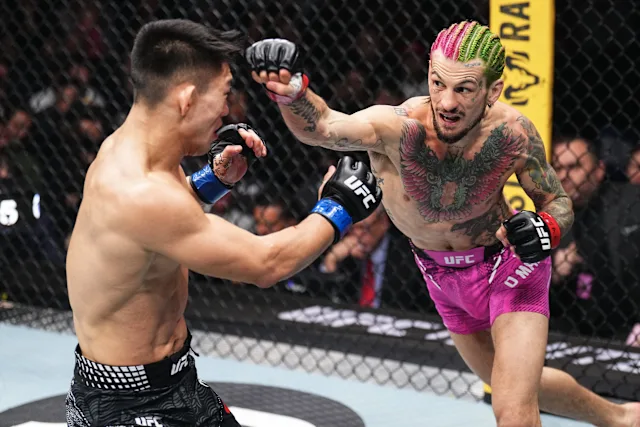
UFC 324 Results: Sean O'Malley Returns to Winning Ways with Gritty Decision Over Song Yadong
UFC News
January 25, 2026
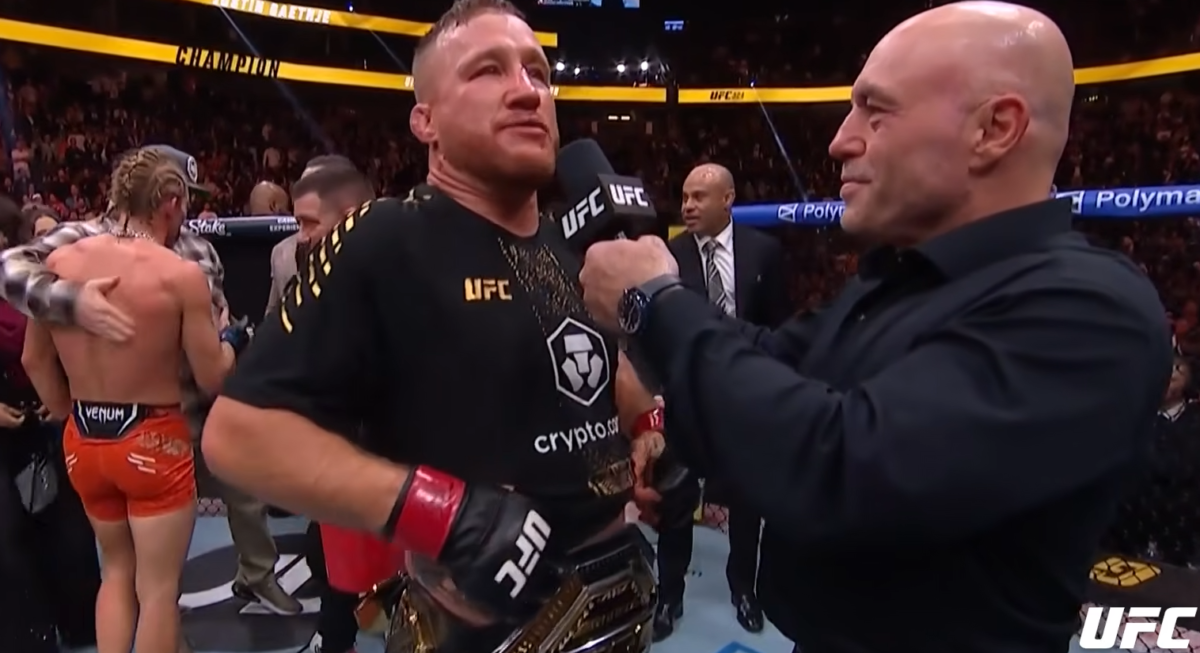
Gaethje Claims Interim Lightweight Title in Brutal War Against Pimblett at UFC 324
UFC News
January 25, 2026
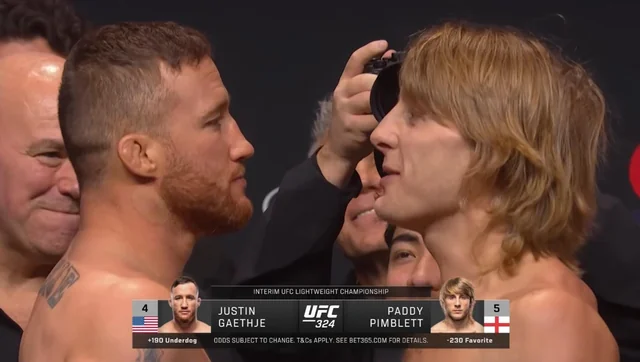
Justin Gaethje Addresses Staph Infection Speculation Ahead of UFC 324 Title Fight
UFC News
January 24, 2026
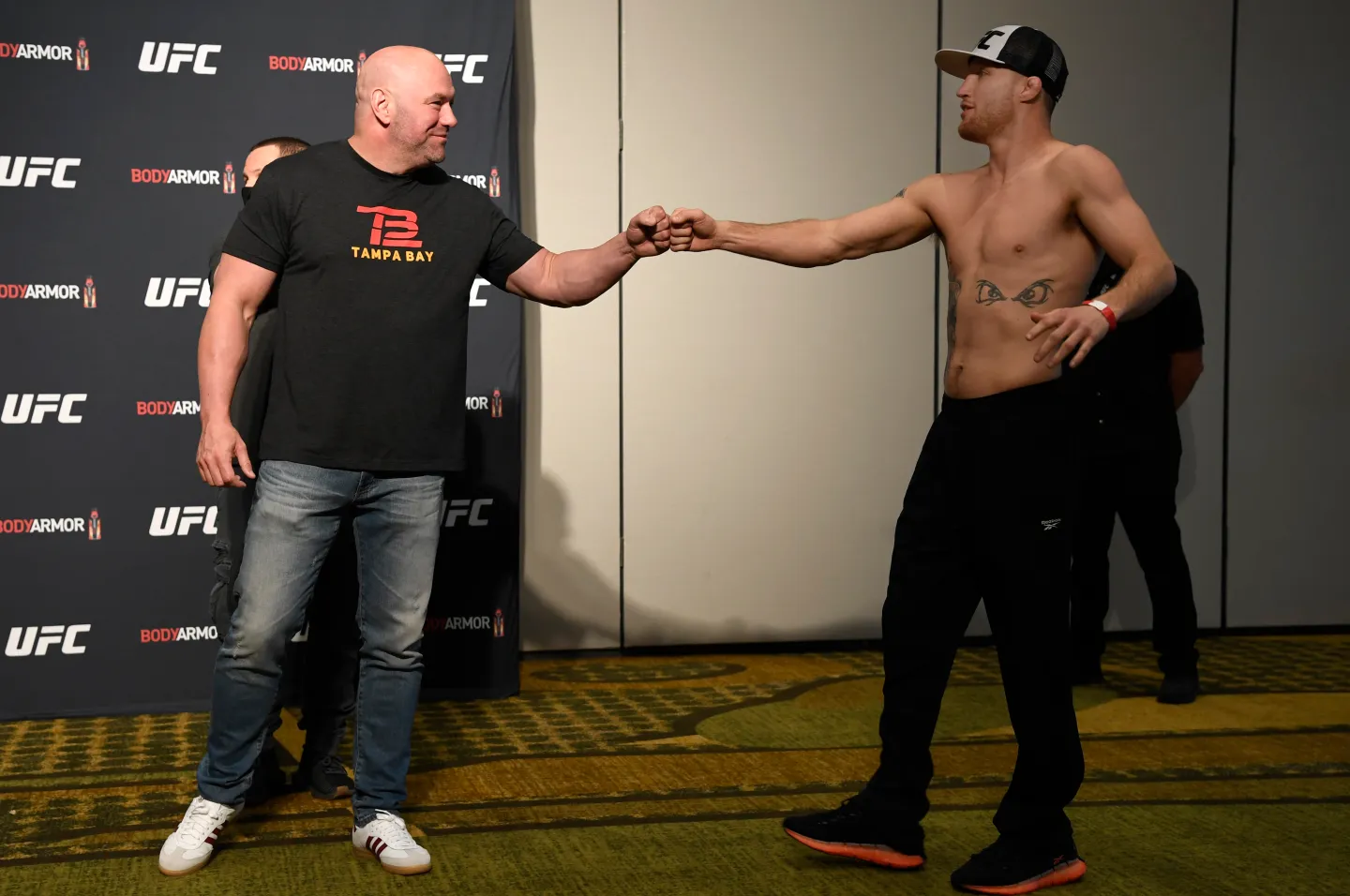
Dana White Fires Back at Justin Gaethje Over UFC 324 Pay Dispute: "He Never Responded to Our Offer"
UFC News
January 22, 2026
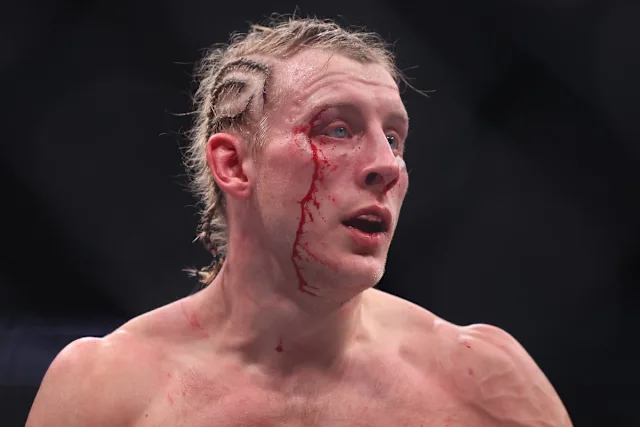
Paddy Pimblett's Crossroads: Liverpool Star Reflects on UFC Defeat and Maps Path Back to Title Contention
UFC News
January 26, 2026

Sean O'Malley Questions UFC White House Card Star Power: "Who's the Big Name?"
UFC News
February 17, 2026

Login with Email or Google
Be the first to comment!