Alex Pereira's Historic Heavyweight Gamble: Why the Light Heavyweight Champion is Ready to Risk Everything

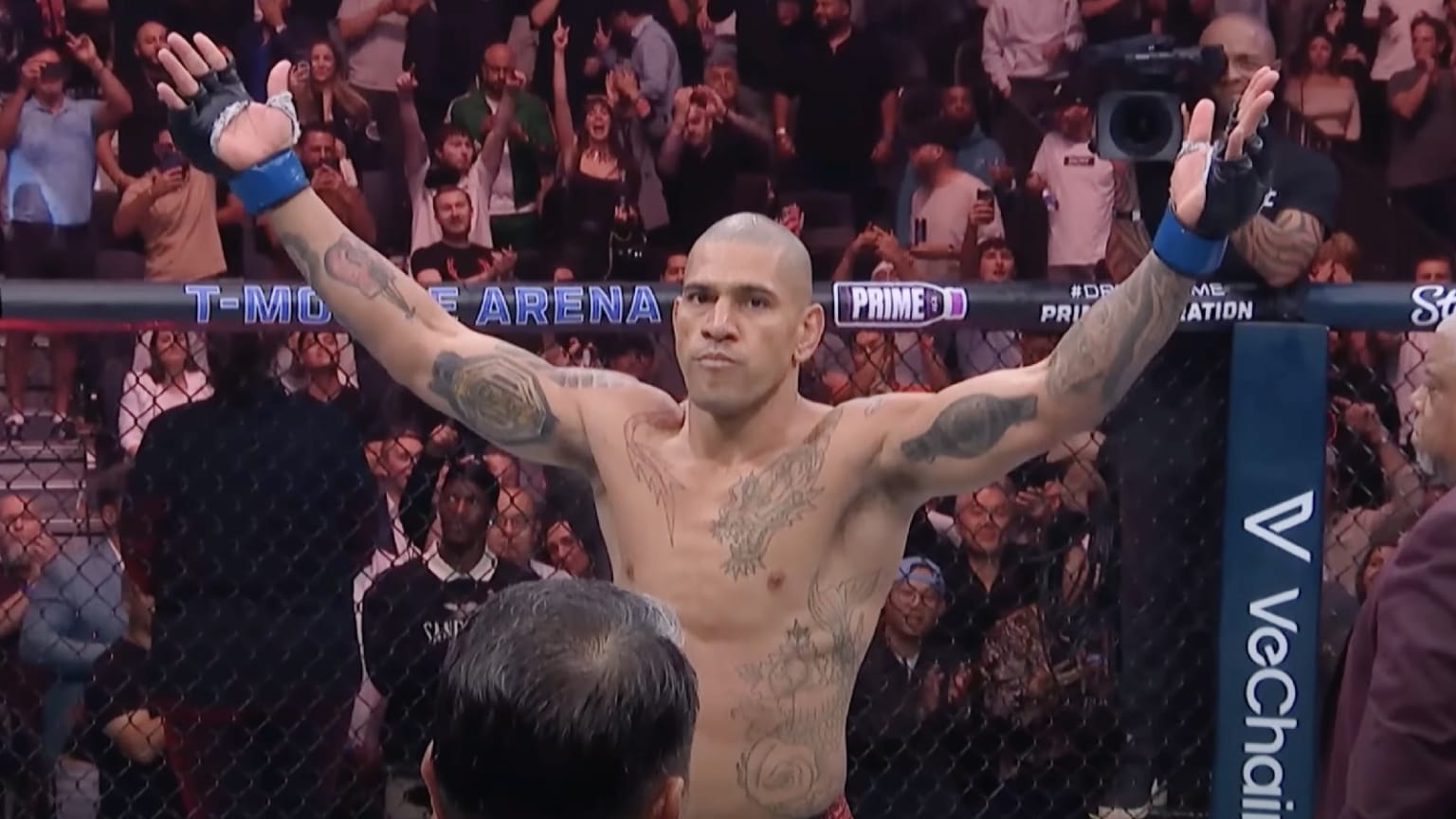
The mixed martial arts world is buzzing with reports that Alex Pereira, the reigning UFC light heavyweight champion, has informed the promotion of his intention to vacate his 205-pound title and make a historic move to heavyweight. This decision, if confirmed, would mark one of the most significant championship moves in recent UFC history and could reshape multiple weight divisions.
The News: Pereira's Championship Gamble
According to MMA journalist Rueben Carter, who broke the story on January 14, 2026, Pereira has made his decision to abandon his light heavyweight crown in pursuit of heavyweight gold. Carter, who previously reported Israel Adesanya's return fight against Joe Pyfer, stated that an official announcement would follow before the end of January 2026.
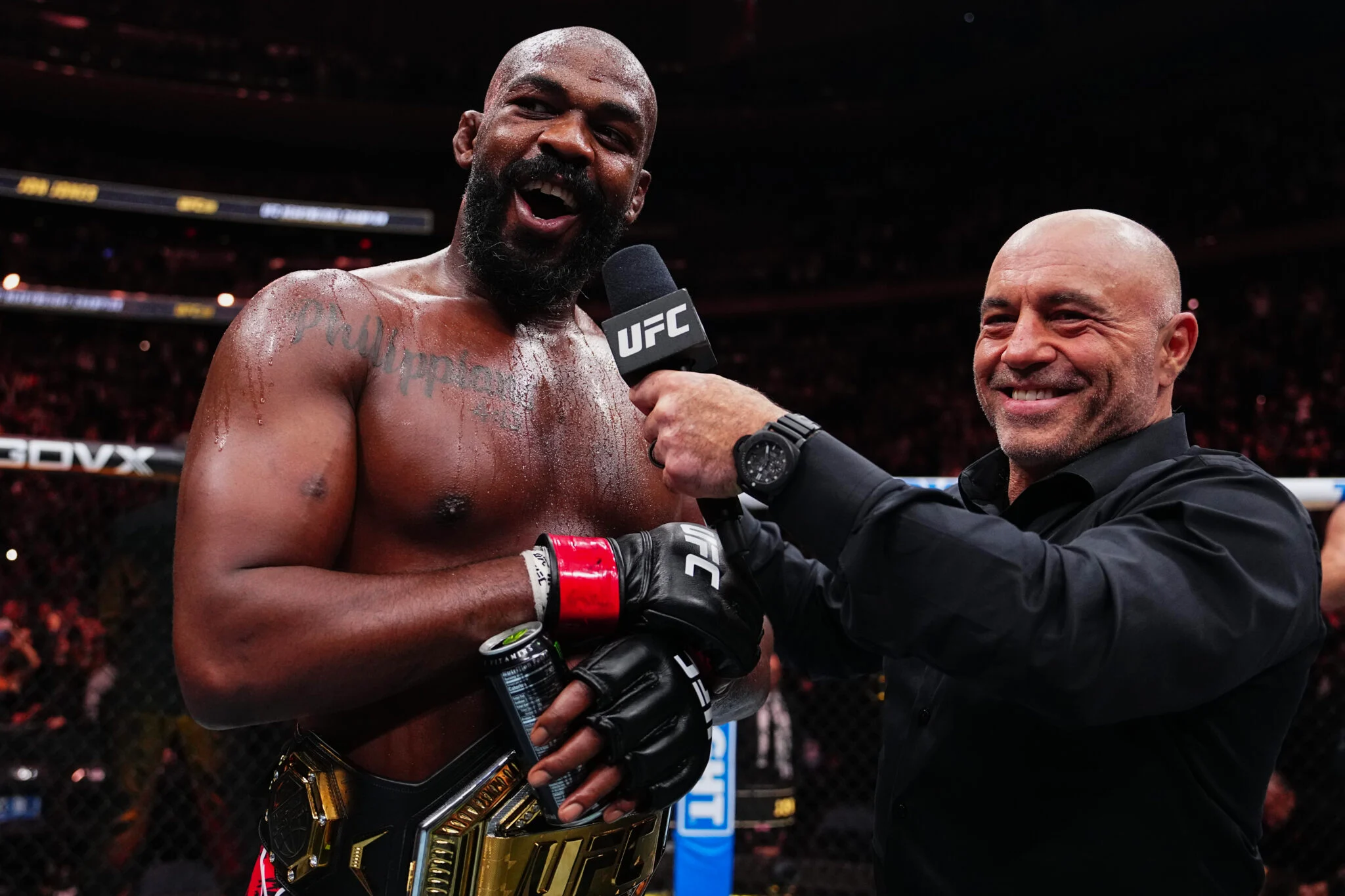
The Brazilian striker's decision comes fresh off his knockout victory over Magomed Ankalaev at UFC 320, where he successfully defended his light heavyweight title and avenged an earlier loss. Following that victory, Pereira repeatedly called out heavyweight champion Jon Jones, specifically mentioning his desire to face Jones at a potential White House event.
However, the path to that dream matchup has hit significant roadblocks. Jones has been sidelined with injury, and UFC President Dana White has publicly dismissed several proposed heavyweight scenarios for Pereira, including a reported interim title fight against Ciryl Gane. White's rejection came via a meme response on Instagram, effectively shutting down Brazilian outlet MMA Hoje's report about Pereira facing Gane for interim heavyweight gold at UFC 328.
The Context: A Fighter Defying Convention
Pereira's potential move represents more than just a weight class change—it's a testament to his unique position in the sport. The Brazilian striker has already accomplished what many fighters never achieve: holding titles in two different UFC weight divisions. He previously captured the middleweight championship before moving up to light heavyweight, where he has established himself as one of the division's most dominant champions.
This decision aligns with the UFC's recent policy requiring fighters to vacate their current titles before pursuing championship opportunities in different weight classes. Both Ilia Topuria and Islam Makhachev were required to give up their belts in 2025 when pursuing fights in other divisions, establishing a precedent that Pereira now appears ready to follow.
The timing of Pereira's decision is particularly significant given the heavyweight division's current state. With Jon Jones sidelined and limited activity at the top of the heavyweight rankings, the division has lacked the star power and excitement that Pereira could potentially bring. His move could inject fresh energy into a weight class that has struggled with meaningful championship activity.
The Analysis: Risk vs. Reward
From a strategic standpoint, Pereira's decision represents both tremendous opportunity and considerable risk. At 37 years old, the window for achieving historic milestones is narrowing, making this potentially his last realistic chance to compete for heavyweight gold. Success would make him the first fighter to hold titles in three different UFC weight divisions—a legacy-defining achievement that would cement his status among the sport's all-time greats.
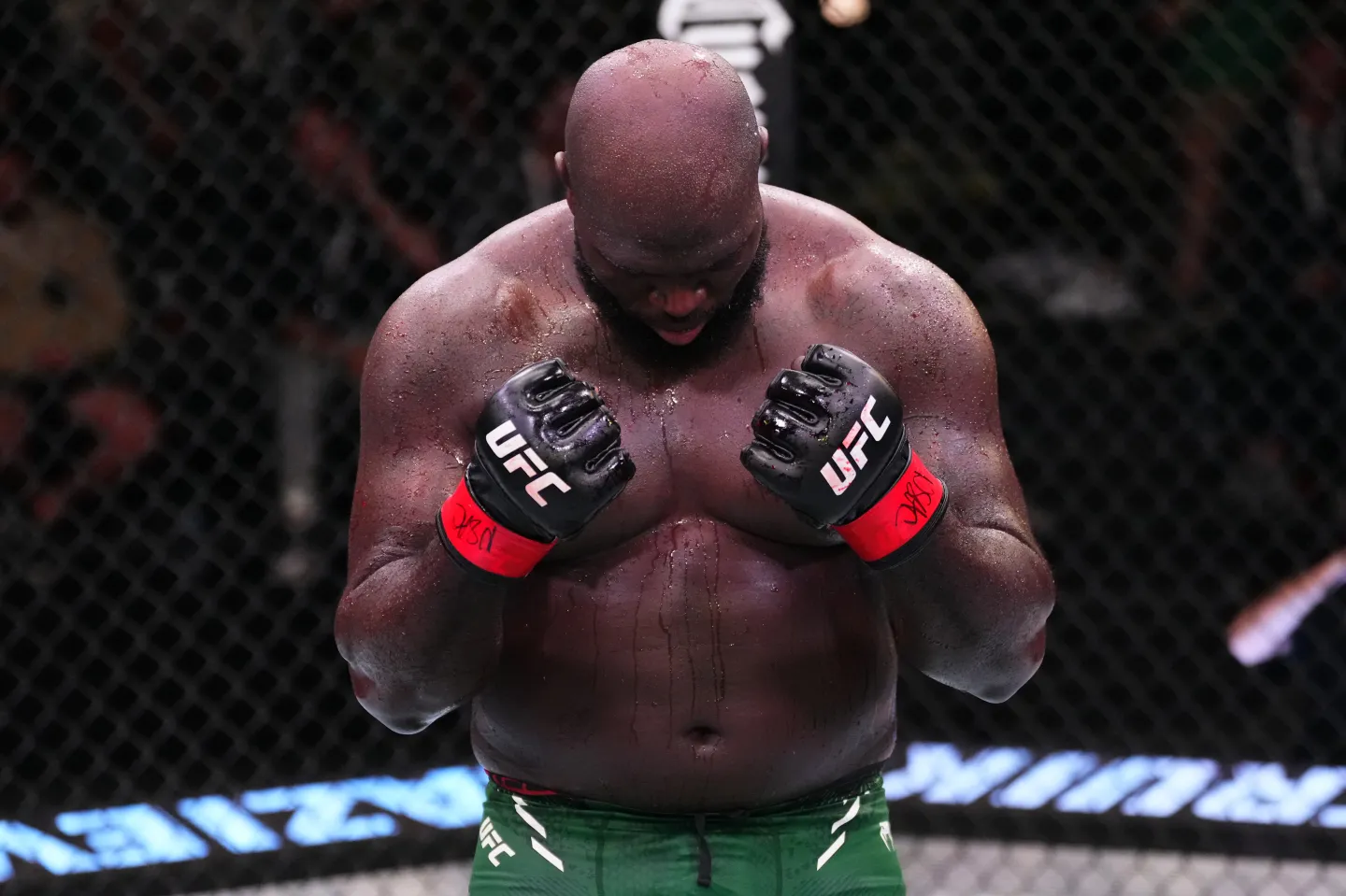
However, the risks are substantial. Moving from light heavyweight to heavyweight means facing significantly larger opponents, many of whom possess the power to end fights with a single strike. Pereira's striking-based style, while devastatingly effective at lower weight classes, will face its ultimate test against heavyweight competition.
The financial implications also cannot be ignored. Heavyweight title fights typically generate more pay-per-view buys and command higher purses than light heavyweight contests. For a fighter in the latter stages of his career, maximizing earning potential becomes increasingly important.
The Implications: Ripple Effects Across Divisions
Pereira's decision creates a domino effect across multiple weight divisions. At light heavyweight, his departure opens the door for a new generation of contenders to compete for the vacant title. Reports suggest that former champion Jiri Prochazka could face Carlos Ulberg for the undisputed championship, though conflicting reports also mention middleweight champion Khamzat Chimaev as a potential candidate.
Chimaev's involvement adds another layer of complexity to the situation. The undefeated middleweight champion has expressed his desire to become a two-division champion and has been vocal about prioritizing "big fights" over maintaining his perfect record. On the JAXXON Podcast, Chimaev stated, "I am not like these guys who try to take their retirement from UFC undefeated. I just want to make big fights."
The Chechen fighter's potential move to light heavyweight would create yet another vacant title scenario at middleweight, demonstrating how one champion's decision can cascade throughout the entire divisional structure.
At heavyweight, Pereira's arrival could revitalize a division that has lacked consistent championship activity. While Dana White has shut down rumors about specific opponents like Ciryl Gane, the heavyweight landscape offers numerous intriguing matchup possibilities for the Brazilian striker.
The Historical Context: Championship Musical Chairs
Pereira's potential move reflects a broader trend in modern MMA where elite fighters increasingly pursue multi-divisional success. The sport has evolved from an era where fighters typically remained in one weight class throughout their careers to one where championship mobility has become commonplace.
This shift has been driven partly by the UFC's business model, which benefits from superfights and cross-divisional storylines that generate maximum fan interest and pay-per-view buys. However, it has also created situations where multiple divisions can simultaneously lack active champions, potentially diluting the value of individual titles.
The requirement for fighters to vacate titles before pursuing opportunities in other divisions represents the UFC's attempt to balance these competing interests. While it prevents the bottlenecks that can occur when champions hold multiple belts simultaneously, it also creates periods of championship vacancy that can disrupt divisional momentum.
The Stakeholder Impact
For Pereira, the decision represents a calculated gamble that could define his legacy. Success would place him in an exclusive category of multi-divisional champions, while failure could tarnish an otherwise stellar championship run at light heavyweight.
The UFC benefits from the storyline potential and pay-per-view appeal of Pereira's heavyweight debut, regardless of the specific opponent. The promotion's willingness to facilitate such moves, despite the divisional complications they create, demonstrates their prioritization of marquee matchups over traditional divisional structure.
Fans of the light heavyweight division face the loss of one of the most exciting champions in recent memory. Pereira's knockout power and finishing ability have made his title defenses must-see events, and his departure leaves a significant entertainment void.
Heavyweight contenders suddenly find themselves with a new and dangerous addition to their division. Pereira's striking credentials and championship experience make him an immediate threat to any heavyweight's title aspirations.
What to Watch: Future Developments
Several key developments will determine how this situation unfolds. First, the official announcement of Pereira's decision and the UFC's response will provide clarity on the timeline and potential opponents. Dana White's dismissal of the Ciryl Gane rumors suggests that the promotion may have different plans for Pereira's heavyweight debut.
The resolution of Jon Jones' injury status remains crucial. If Jones returns to action sooner than expected, it could influence both the timing and opponent selection for Pereira's heavyweight move. The long-sought superfight between these two champions would represent the ultimate prize for Pereira's gamble.
At light heavyweight, the process of crowning a new champion will reveal the division's depth and future direction. Whether Jiri Prochazka, Carlos Ulberg, or Khamzat Chimaev emerges as the new titleholder will significantly impact the 205-pound landscape.
The broader implications for championship mobility in the UFC also bear watching. Pereira's move, combined with similar decisions by other champions, may prompt the promotion to reassess its policies regarding multi-divisional pursuits.
Conclusion: A Legacy-Defining Decision
Alex Pereira's reported decision to vacate his light heavyweight title and pursue heavyweight gold represents one of the most significant championship moves in recent UFC history. The Brazilian striker's willingness to risk his established dominance at 205 pounds for the chance at unprecedented three-division success embodies the calculated risk-taking that defines elite combat sports.
While the specific details remain to be confirmed, the implications of this decision extend far beyond Pereira himself. Multiple weight divisions will be reshaped, new championship opportunities will emerge, and the heavyweight division may finally receive the star power it has been lacking.
Whether this gamble pays off remains to be seen, but Pereira's willingness to pursue historic achievement over comfortable title defenses demonstrates the mentality that separates champions from contenders. In a sport where legacy is often defined by the risks fighters are willing to take, Pereira's heavyweight pursuit may ultimately determine how he is remembered in MMA history.
The coming weeks will provide crucial clarity on this developing situation, but one thing is certain: Alex Pereira's championship journey is far from over, and his next chapter could be his most significant yet.




Login with Email or Google
Be the first to comment!